
by editor | Feb 23, 2015 | Environmental Literacy, Indigenous Peoples & Traditional Ecological Knowledge, Marine/Aquatic Education, Place-based Education, STEM
It Takes a Community to Raise a Scientist:
A Case for Community-Inspired Research and Science Education in an Alaskan Native Community
By Nievita Bueno Watts and Wendy F. Smythe
The quote, “lt takes a village to raise a child,” is attributed to African tradition and carries over to Alaskan Native communities as well (Hall, 2000). Without the support of their community and outside resources, Alaska Native children have a difficult time entering the world of science. Yet increasing the awareness of science, as a tool to help a tribal community monitor and maintain the health of their environment, introduces conflicts and misconceptions in context of traditional cultural practices. Rural communities depend upon traditional food harvested from the environment such as fish, wild game, roots, and berries. In many Native Alaskan villages the health of the environment equals the health of the people (Garza, 2001) . Integrating science with culture in pre-college education is a challenge that requires sensitivity and persistence.
 The Center for Coastal Margin Observation and Prediction (CMOP) is a multi-institutional, National Science Foundation (NSF) Science and Technology Center that takes an interdisciplinary approach to studying the region where the Columbia River empties into the Pacific Ocean. Two of CMOP’s focus areas are biogeochemical changes affecting the health of the coastal margin ecosystem, and socio-economic changes that might affect the lives of people who harvest and consume fish and shellfish.
The Columbia River waters touch the lives and livelihoods of many people, among them a large number of Pacific Northwest lndian tribes. These people depend on the natural and economic resources provided by the Columbia River. Native peoples from California through Alaska also depend on resources from their local rivers, and, currently, many tribes are developing-a workforce trained with scientific skills to manage their own natural resources in a way that is consistent with their traditional way of life. The relationship between Traditional Knowledge (TK) and practices, which are informed by centuries of observation, experimentation and carefully preserved oral records, and Western Science, which is deeply rooted in the philosophies and institutions of Europe, is often an uneasy one.
National progress is being made to open pathways for individuals from Native communities to Western Science higher education programs and back to the communities, where tribal members are empowered to evaluate and monitor the health of their environment. CMOP is part of this national movement. CMOP science is developing tools and techniques to observe and predict changes in the river to ocean system. CMOP education, an essential element of CMOB supports American lndian/Alaska Native students in pursuing academic and career pathways focusing on coastal margin sciences (Creen et al., 2013). One of CMOP’s initiatives is the CMOP- School Collaboratories (CSC) program.
CMOP-SCHOOL COLLABORATORIES
The CMOP-school Collaboratories (CSC) program is based on the idea that Science, Technology, Engineering, and Mathematics (STEM) pathway development requires an intensive and sustained effort to build relationships among science educators, students, school personnel, and the tribal community. The over-arching goal is to broaden participation in STEM disciplines. CMOP educators developed the CSC model that includes integration strategies for a community, development of appropriate lessons and field experiences and student action projects that connect local and traditional knowledge with science. Educational experiences are place- based, multi-disciplinary and culturally relevant. The objective is to open students’ minds to the reality of the need for scientists with many different world views and skill sets working together to address our planet’s pressing problems in a holistic manner. CMOP seeks to encourage these students to be part of that solution using both Traditional Knowledge and STEM disciplines.
The program encourages STEM education and promotes college preparatory awareness. This CSC program has three unique characteristics: it introduces coastal margin science as a relevant and viable field of employment; it integrates STEM learning with Traditional Knowledge; and, it invites family and community members to share science experiences. The example presented in this article describes a four-year program implemented in a small village in Southeast Alaska, 200 miles from the capital city of Juneau.
Figure 1: Students, scientists, a cultural expert. and a teacher with scientific equipment used to collect data from the river.
ALASKA NATIVE VILLAGE CASE STUDY
 Wendy Smythe, a CMOP doctoral candidate and principal investigator for an NSF Enhancing Diversity in the Geosciences (OEDC) award, is an Alaska Native Haida. As she advanced in her own education, she wanted to share what she had learned with the youth of her tribal community, striving to do so with the blessing of the tribal Elders, and in a way that respected the Traditional Knowledge of the Elders. Dr Bueno Watts is a mentor and expert on broadening participation. She acts in an advisory capacity on this project.
The village school consists of l5 staff members and 50 K-l2 students, with the school experiencing high administration turnover rates. ln the first two years of the program we recruited non-native graduate students to participate in the CSC program. This effort provided them experience working in Native communities. ln the last two years we recruited Native American undergraduate interns to teach lessons, assist with field activities and provide students with the opportunity to become familiar with Native scientists [Figure 1]. lnterns formed part of the science team.
STEPS TO GAIN ENTREE TO A VILLAGE
The community must support the concept to integrate science education with traditional practices. Even for this Alaska Native (Smythe), the process of building consensus from the tribe and gaining approval from the Elders and school district for the program was a lengthy one. The first step required letters of support from school district and tribal leaders. The difference in geographical locations proved difficult until Smythe was able to secure an advocate in the tribe who spoke for her at tribal meetings. Face-to-face communications were more successful than distance communications. Persistence proved to be the key to achieving success at getting the consensus of community leaders and school officials’ support. This was the top lesson of l0 learned from this project (Table l).
Traveling to the school to set up the program is no small feat and requires extensive coordination of transportation and supplies. A typical trip requires a day-long plane ride, overnight stay in a nearby town to prepare and gather supplies, a three-hour ferry ride, acquisition of a rental truck and a one-hour drive. Accommodations must be made to board with community members.
The development of appropriate lessons for the curriculum engaged discussions with tribal Elders and community Ieaders on an individual basis. Elders agreed to provide videoed interviews and were given honoraria as a thank you for their participation. Smythe asked the Elders what scientists could do to help the community, what stories can be used, where students and educators could work in the community to avoid intruding on sacred sites, and what information should not be made public. Once Elders agreed to provide interviews and share stories, other community members began to speak about their lives and concerns. This included influence of boarding schools, Iife as it was in the past, and changes they would like to see within the community. This was a significant breakthrough.
Table l . Lessons Learned: ten things to consider when developing a science program with Native communities
1. Persistence is key.
2. Face to-face communication is vital and Lakes time.
3. A community advocate with influence and respect in the community is critical.
4. Consult with the Elders first. They have their finger on the pulse of the community and are the center “of the communication network. Nothing happens without their approval. Find out what it is okay to talk about and where your boundaries are and abide by them. lnclude funds for honorariums in your proposal. Elders’ time and knowledge is valuable and they should be compensated as experts.
5. Partner with individuals or groups, such as the Department of Natural Resources.
6. Find a relevant topic. Be flexible with your curriculum choice. It must reflect the needs and interests of the community and the abilities of the teacher you are working with.
7 . Be prepared, bring supplies with you. Ship items in advance if going to a remote location
8. Have the ability to provide individual instruction for students who need it to prepare projects and practice giving presentations.
9. lnvolve the community. Hold events in a community center to encourage everyone to attend.
10. View your involvement as a long-term investment in a committed community relationship.
 ln addition to the Elders, support was needed from a natural resources representative who functioned as a liaison between our group and the community members. This person’s role is found in most villages and could be the head of the Department of Natural Resources or a similar tribal agency that oversees fish, wildlife, and natural resources. This person provides a critical link between the natural environment and the community. The next step is to go in the field with the natural resources representative, science teachers, EIders, and interested students to identify a meaningful focus for the community. lnitially we focused the project with a scientist’s view of teaching microbiology and geology of mineral deposition in a river ecosystem. However, the team found community interest low and no enthusiasm for this project.
Upon our return to the village, the team and CMOP educators found the focus, almost by accident. We were intrigued by “boil water” notices posted both at the home in which we were staying and on the drinking fountains at the school: The students were all talking about water, as were the Elders. It was clear that the community cared about their water quality. The resulting community-inspired research educational plan was based on using aquatic invertebrate bioindicators as predictors of water quality (Adams, Vaughan & Hoffman Black, 2003). This student project combined science with community needs (Bueno Watts, 2011).
CURRICULUM LESSONS
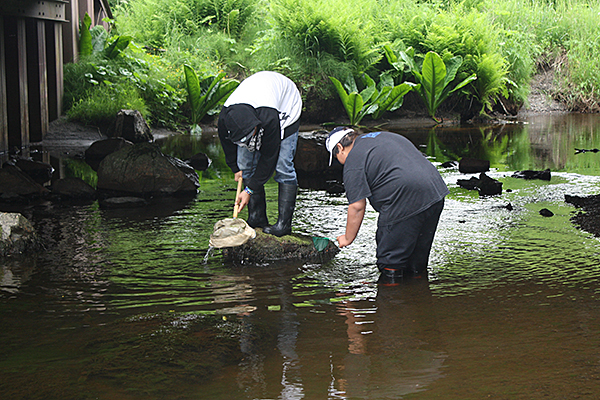
The first classroom lessons addressed water cycle and watershed concepts (Wolftree, 2OO4), which were followed by a field lesson on aquatic invertebrates. Students sampled different locations in an effort to determine biodiversity and quantity of macroinvertebrates. While students were sitting at the river’s edge, the site was described in the students’ Alaska Native tongue by a cultural expert, and then an English translation was provided. This introduced the combination of culture and language into the science lesson.
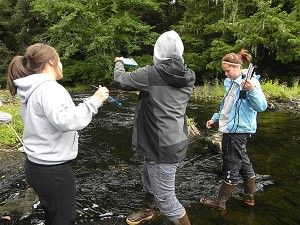 Figure 2: Students use data loggers to collect data on temperature, pH, and location.
The village water supply comes from a river that runs through the heart of the community. Thus, this river was our primary field site from which students collected water for chemical sampling and aquatic invertebrates using D-loop nets. Physical and chemical parameters of the river were collected using Vernier LabQuest hand-held data loggers. Students recorded data on turbidity, flow rate, temperature, pH, and pinpointed locations using CPS coordinates (Figure 2].
 Aquatic invertebrate samples were sorted, classified, counted, recorded, and examined through stereoscopes back in the classroom. Water chemistry was determined by kits that measured concentrations of alkalinity, dissolved oxygen, iron, nitrate/nitrite, dissolved carbon dioxide, and phosphate.
Microbiology assessments were conducted in an effort to detect fecal coliform (using m_FC Agar plates). Students tested water from an estuary, river, drinking fountain, and toilet. Results from estuarine waters showed a high number of fecal coliform, indicating that a more thorough investigation was warranted While fecal coliform are non-disease causing microorganisms, they originate in the intestinal tract, the same place as disease causing bacteria, and so their presence is a bioindicator of the presence of human or animal wastes (Figure 3).
 Students learned that the “dirty water” they observed in the river was actually the result of a natural process of acidic muskeg fluids dissolving iron minerals in the bedrock, no health danger. The real health threat was in the estuarine shellfish waters. Students shared all of their results with their families, after which community members began to approach the CMOP science team with questions about the quality of their drinking water. The community was relieved to find that the combined results of aquatic invertebrate counts and water chemistry indicated that the water flowing through their town was healthy. However they were concerned about the potential contamination as indicated by fecal coliform counts in the local estuary where shellfish were traditionally harvested.
ln the second year, a curriculum on oceanography developed by another STC, the Center for Microbial Oceanography: Research and Education (C-MORE) was introduced (Bruno, Wiener, Kimura & Kimura, 2011). Oceanography lessons focused on water density as a function of salinity and temperature, ocean currents, phytoplankton, and ocean acidification, all areas of research at CMOP. Additional lessons used local shipworms, a burrowing mollusk known to the community, as a marine bioindicator (CMOP Education, 2013). Students continued to conduct bioassessments of local rivers and coastal marine waters.
 Figure 3: Students sort and count aquatic invertebrates as a bioindicator of river health.
Students used teleconferencing technology to participate in scanning electron microscope (SEM) session with a scientist in Oregon who had their samples of aquatic invertebrates. Students showcased their experiments during parent day. Five students (l0%) had parents and/or siblings who attended the event.
SHARING KNOWLEDGE
As a reward for participation in the science program, two students were chosen to attend the American lndian Science and Engineering Society (AISES) 2009 conference in Oregon. Travel expenses were shared between the school, CSC program, and the tribe. ln the following three years an additional ten students attended the AISES conference and presented seven science research posters in New Mexico. Minnesota and Alaska. ln 2012, one student won 3rd place for her shipworm poster presentation (Figure 5). These conference presentations enabled some students to take their first trip out of Alaska.
ln May 20ll the first Science Symposium for grades K-12 allowed students to share their science projects with parents, Elders, and tribal community members. Both students and teachers were prepared on how to do a science fair project. Work with students had to be accomplished on a one-on-one basis, and members of the team were paired with students to assist with completing projects and polishing presentations. Students were not accustomed to speaking publicly, so this practice was a critical step.
The event was held at the local community center, which encouraged Elders and other community members to attend.
Elders requested a public education opportunity to teach the community about watersheds and the effects of logging. Our team incorporated this request into the science symposium. Students led this project by constructing a 5D model of the watershed for display. People could simulate rainfall, see how land use affects runoff and make runoff to river estuary connections. Scientists conducted hands-on demonstrations related to shipworms, local geology, ocean acidification and deepsea research. Language and culture booths were also included. During the symposium, a video of one of the interviews we had conducted with an Elder was shown as a memorial to his passing. The symposium was considered a huge success and was attended by 35 students and 50 community members.
 COMMUNITY RESPONSE
The CSC program garnered results that could not have been predicted at the outset. For example, the tribe requested our input when deciding which students should attend a tribal leadership conference and summer camp. Three student interns participated in a collaborative project with the tribe to conduct bio-assessment studies of local rivers and a key sockeye breeding lake. lnterns operated a remotely operated underwater vehicle (ROV) for data collection, resulting in video documentation of the salmon habitat. ln addition to the bio-assessment, the interns conducted interviews with Elders about the rivers in the monitoring project. The results of this study were used to stop logging around sockeye spawning habitat and to ban the harvest of shellfish from contaminated parts of the estuary. Now the tribe is monitoring rivers on its own. ln the near future CMOP plans to install a sensor that can be monitored remotely, and to train people to read and interpret the data.
CONCLUSION
Community-inspired research often produces a ripple effect of unforeseen results. ln this case, inclusion of Elders in the design and implementation of the project produced large scale buy-in from community members at all age levels. Consequently, in a village where traditionally students did not think about education beyond high school, we have had two students attend college, two students attend trade school, five students receive scholarships, and eight Native interns conducting science or science education in the community. And, given the low numbers of Alaska Natives pursuing careers in science, we find those numbers to be remarkable.
REFERENCES
Adams, J., Vaughan, M., & Hoffman Black, S. (200i). Stream Bugs as Biomonitors: A Guide to Pacific Northwest Macroinvertebrate Monitoring and Identification. The Xerces Society. Available from: http://www.xerces.org/identification-guides/#
Bruno, B. C., Wiener, C., Kimura, A., & Kimura, R. (2011). Ocean FEST: Families exploring science together. Journal of Geoscience Education, 59, 132.1.
Bueno Watts, N. (20,1 1). Broadening the participation of Native Americans in Earth Science. (Doctoral dissertation).
Retrieved from Pro-Quest. UMI Number: 3466860. URL http ://repository.asu.edu/items / 9 438
Center for Coastal Margin Observation & Prediction. QO13). Shipworm lesson URL http://www.stccmop”org/ education/k1 2/geoscience/shipworms
Carza, D. (200.l). Alaska Natives assessing the health of their environment. lnt J Circumpolar Health. 6O@):a79-g6.
Creen, V., Bueno Watts, N., Wegner, K., Thompson, M., Johnson, A., Peterson, T., & Baptista, A. (201i). Coastal Margin Science and Education in the Era of Collaboratories. Current: The Journal of Marine Education. 28(3).
Hall, M. (2000). Facilitating a Natural Way: The Native American Approach to Education. Creating o Community of Learners: Using the Teacher os Facilitator Model. National Dropout Prevention Center. URL http://www. n iylp.org/articles/Facilitating-a-Natural-Way.pdf
Wolftree, lnc. (200a). Ecology Field Cuide: A Cuide to Wolftree’s Watershed Science Education Program, 5th Edition. Beavercreek, OR: Wolftree, lnc. URL http://www. beoutside.org/PUBLICATIONS/EFCEnglish.pdf
ADDITIONAL RESOURCES
The educational resources of CMOP are available on their website : U R L http ://www. stccm o p. o rg / education / kl 2
ACKNOWLEDGMENTS
CMOP is funded by NSF through cooperative agreement OCE- 0424602. Smythe was also supported by NSF grant CEO-I034611. We would like to thank Dr. Margo Haygood, Carolyn Sheehan, and Meghan Betcher for their assistance and guidance with the shipworm project. We would like to thank the Elders and HCA for their guidance, advice and encouragement throughout this program
Nievita Bueno Watts, Pn.D. is a geologist, science educator, and Director of Academic programs at the NSF Science and Technology Center for Coastal Margin Observation & Prediction (CMOP). She conducts research on broadening the participation of underrepresented minorities in the sciences and serves on the Board of Directors of the Geoscience Alliance, a national organization dedicated to building pathways for Native American participation in the Earth Sciences.
Wendy F. Smythe is an Alaska Native from the Haida tribe and a Ph.D. candidate at the NSF Science and Technology Center for Coastal Margin Observation & Prediction. She runs a geoscience education program within her tribal community in Southeast Alaska focused on the incorporation of Traditional Knowledge into STEM disciplines.
by editor | Dec 9, 2014 | Indigenous Peoples & Traditional Ecological Knowledge
 Ecological Métissage: Exploring the Third Space in Outdoor and Environmental Education
By Greg Lowan
An increasing number of scholars, both Indigenousi and non-Indigenous, are asking, “Is it possible to blend Western and Indigenous North American ecological philosophies and knowledge?” Indeed, many scholars and educators, such as the late Nakoda Chief John Snow (1977–2005), suggest that the future success of our society will require the combined wisdom of Aboriginal and non-Aboriginal cultures.
Eminent Tewa scholar and educator Gregory Cajete (2001) relates the story of one of his family members who has a “split head”. This family member is of mixed Euro-American and Indigenous Tewa ancestry and often feels split between the two cultures. Cajete suggests that many people in our predominantly Western society built on the Indigenous territories of Turtle Island (North America) also have a split head; our sociocultural and geographical identities are often disjointed. John Ralston Saul (2008) provides a related view when he suggests that Canadians have forgotten (or been led to forget) the foundational Aboriginal aspects of our culture and languages, resulting in an incomplete national sense of self. Cajete proposes that the ultimate task at hand is to recognize this and find ways to heal the split head of our collective society, blending the best of Western (and other) and Indigenous cultures to create a unified whole.

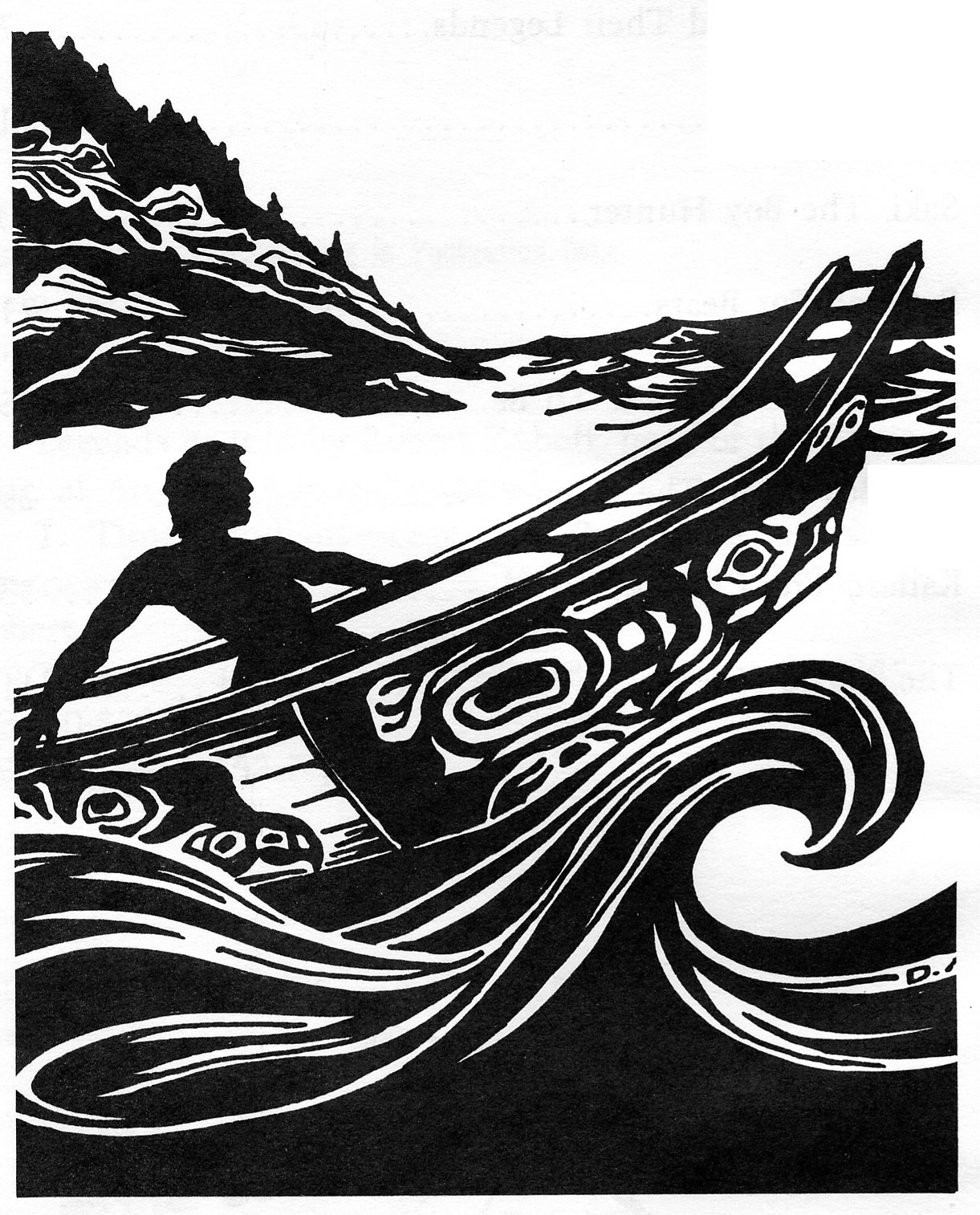
Figure 1. The Third Space. The Third Space makes some people uncomfortable because “hybridity problematizes boundaries” (Pieterse, 2001, p. 220)
In response to these kinds of concerns, Métis scholar Catherine Richardson (2004, p. 16) introduces the concept of the “Third Space” as the existentially blended territory of a Métis mentality. She compares this to the “First Space” of the dominant Euro-Canadian society and the “Second Space” of colonially subjugated Aboriginal peoples. However, during a recent conference presentation, one audience member astutely pointed out to me that the First Space here on Turtle Island was, in fact, Aboriginal, followed by the European Second Space, which resulted in the Third Space of the Métis (see Figure 1, below). The Third Space is a place where Western, Aboriginal and other cultural beliefs, philosophies, values and knowledge intersect, cohabit and intermingle (Richardson, 2004).
. Zembylas and Avraamidou (2008) propose that challenging this further opens up the Third Space. Pieterse suggests that hybridity involves recognizing the “in-betweens” and “interstices” (p. 238) and pushes us beyond false dualistic conceptions of culture and race. According to Pieterse, the Third Space requires “collective liminality, collective awareness” (p. 239) similar to the Trickster knowledge celebrated in many Indigenous cultures. Finding the Third Space involves collectively embracing a hybrid or Trickster consciousness.
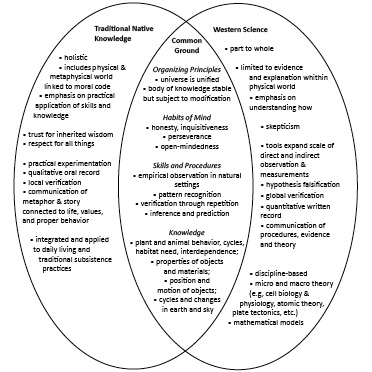
Figure 2 . Finding common ground betweenWestern science and Indigenous knowledge (Barnhardt and Kawagley, 2005).
Alaskan scholars Ray Barnhardt and Oscar Kawagley (2005) provide the illuminating Venn diagram below to compare and contrast Western and Indigenous approaches in search of common ground. From their diagram we can see that there are indeed many similarities between Western science and Indigenous knowledge of nature. Concepts such as a unified universe; personal qualities such as perseverance, curiosity and honesty; empirical observation of nature; and a desire to understand the behaviour and patterns of plants, animals and other natural phenomena are common to both traditions.
Aikenhead (2008) uses the Ancient Greek terms “episteme” and “phronesis” respectively to describe Western science and Indigenous knowledge. He defines episteme as thinking focused on how the world works and phronesis as practical wisdom- in- action. Baumard (1994) defines phronesis as a blend between “techne”, which is practical knowledge, and episteme. However, he also suggests that the Greeks actually recognized four dominant forms of knowledge: episteme (theoretical or philosophical knowledge), techne (practical knowledge), phronesis (theoretically informed practice) and “metis”ii (oblique or intuitive knowledge), a term etymologically related to the Latin “mixtus”, meaning mixed, which is the root of modern terms such as “métissage” (Dolmage, 2009). Baumard suggests that while episteme, techne and phronesis have been widely recognized and preserved in Western history, metis (pronounced “meh-tiss”) was suppressed and ignored until Détienne and Vernant’s (1974, 1991) seminal efforts in its recovery. As a Métis person, I find the etymological, epistemological and ontological implications of metis as a way of understanding and being in the world deeply intriguing.
Metis as a form of knowledge was suppressed in Western history for various reasons. Dolmage (2009) suggests that metis wasn’t widely recognized for the past two thousand years because of its associations with femininity embodied in the form of the goddess Metis, one of Zeus’s wives and the mother of Athena. Détienne and Vernant (1974, 1991) also propose that metis has been suppressed throughout Western history because of its association with animals and nature. Examples of metis in Greek mythology and philosophy often involve the dolos (tricks or ruses) of animals like the fox, the octopus or the squid, which is able to turn itself inside out. In their concluding chapter, Détienne and Vernant (1974, 1991) suggest that:
In studies of the Greeks pursued by scholars who claim to be their heirs, there has been a prolonged silence on the subject of the intelligence of cunning [metis]. The fundamental reasons for this have been two-fold. The first is perhaps that, from a Christian point of view, it was inevitable that the gulf separating men from animals should be increasingly emphasized and that human reason should appear even more clearly separated from animal behaviour than it was for the ancient Greeks. The second and even more powerful reason is surely that the concept of Platonic Truth, which has overshadowed a whole area of intelligence with its own kinds of understanding, has never really ceased to haunt Western metaphysical thought. (pp. 318–319)
The oblique, intuitive and subtle boundary-crossing characteristics of metis as a way of knowing and being in the world could be considered as a more flexible alternative to the absolutist legacy of Platonic thought that is reflected in the single-culture nationalism of, for example, many European nations and the United States (Saul, 2008). This idea might prove illuminating in our search for the Third Space between Western and Indigenous knowledge and wisdom.
Two-Eyed Seeing—viewing the world simultaneously through both Western scientific and Aboriginal lenses to form a focused and unified vision—is another theory developed by Mi’kmaq Elder Albert Marshall (Lefort and Marshall, 2009).
Concepts such as the Third Space, healing the split head, Two-Eyed Seeing and metis provide a compelling theoretical basis for exploring intercultural environmental ethics and education. I use the term “ecological métissage” to collectively describe these concepts. The concept of ecological métissage arises from Thomashow’s (1996) description of “ecological identity” as the way that we understand ourselves in relation to the natural world and an understanding of “métissage” as a mixing or blending often associated with culture or ethnicity (Pieterse, 2001). Therefore, ecological métissage denotes a blending of two or more ecological world views in personal identity, philosophy and practice. The following explores examples of ecological métissage in practice.
Intercultural outdoor and environmental education is a growing field of practice with a limited but growing body of literature. Many organizations across Canada and around the world are currently delivering programs designed to bridge cultures. While some programs aim to share Indigenous knowledge with Indigenous students only, others are open to both Indigenous and non-Indigenous students. Other programs also attempt to blend Indigenous knowledge with modern scientific approaches, seeking the previously discussed Third Space. The following is a brief review of a selection of programs and key scholars in these areas. One study that I first encountered during my master’s research (Lowan, 2008, 2009) was Takano’s (2005) description of a community-developed land -based cultural education program based in Igloolik, Nunavut. Takano, a researcher of Japanese descent, participated in Paariaqtuqtut, a 400 kilometre journey through the community’s ancestral territory in May 2002. Paariaqtuqtut means “meeting on the trail” in Inuktitut and was developed by a group of community members and Elders. Paariaqtuqtut aims to connect young people with cultural skills and teachings in a land-based context. Takano (2005) found that community members in Igloolik were concerned that many youth were losing connections with their land and culture. Those interviewed observed that this leads to youth feeling lost between two worlds, disconnected from their community and culture, yet unprepared to live in the Western world. Takano also recorded the experiences of several participants who felt that Paariaqutuqtut had helped them to reconnect with their land and culture.
David Lertzman (2002) and Thom Henley (1989) provide descriptions of the Rediscovery program. Rediscovery programs have been founded across North America and around the world in various forms. Some are very small and focused on one particular Aboriginal community while others, such as Ghost River Rediscovery (Lertzman, 2002) in Calgary, are large, year-round programs. Ghost River Rediscovery is based on local Indigenous traditions and welcomes students of all ages from all cultural backgrounds. I have had the wonderful opportunity to volunteer with them on several occasions. Henley (1989), one the program’s original founders, states, “Rediscovery brings together people from many different racial backgrounds . . . . When people from different races have the opportunity to talk to one another, to work and play together, then inevitably they begin to learn about each other’s lives and cultures” (p. 35).
As previously mentioned, a recent issue of Green Teacher (Fall, 2009) focused on Mik’maq Elder Albert Marshall’s concept of Two-Eyed Seeing. Several programs embodying Two-Eyed Seeing were profiled. For example, Hatcher and Bartlett from Cape Breton University’s Integrative Science program (2009a, 2009b; Bartlett, 2009) describe units that they developed on various subjects, such as birds, traditional medicine and astronomy, for high school students. In their units they attempt to integrate Western science with Mi’kmaq knowledge and philosophies of nature. They recognize that truly blending Western and Indigenous approaches is a challenging task for educators.
Further examples of inspiring Two-Eyed Seeing programs are provided in the same issue of Green Teacher. Métis educators Deanna Kazina and Natalie Swayze (2009) relate their experiences with “Bridging the Gap”, an inner-city program in Winnipeg that works with both Aboriginal and non-Aboriginal youth. Bridging the Gap strives to integrate Western and Aboriginal approaches to learning about the natural world. Based on their description and another article by Swayze (2009) in the Canadian Journal of Environmental Education, it appears thatthey are experiencing success. Kazina and Swayze instill genuine cultural awareness in their students through lessons such as how to offer tobacco and how to respectfully approach the Elders who are a strong part of their program.
Gloria Snively (2009) also relates her experiences as a long-time teacher-educator at the University of Victoria interested in what she calls “cross-cultural science”. She uses a lesson on dentalium, a shell traditionally used as money by Indigenous people across North America, as a vehicle for discussing Two-Eyed Seeing. Snively observes:
Cross-cultural science education is not merely throwing in an Aboriginal story, putting together a diorama of Aboriginal fishing methods, or even acknowledging the contributions Aboriginal peoples have made to medicine. Most importantly, cross-cultural science education is not anti -Western science. Its purpose is not to silence voices, but to give voice to cultures not usually heard and to recognize and celebrate all ideas and contributions. It is as concerned with how we teach as with what we teach. (p. 38)
While there is a growing body of literature on intercultural outdoor and environmental education in Canada, no comprehensive studies to date have focused on the experiences and competencies of intercultural outdoor and environmental educators and the deeper societal implications of their work. Who are these “border crossers” (Hones, 1999; Nguyen, 2005; Pieterse, 2001)? What led them to their chosen vocation? What makes them effective? And how might they be reshaping Canadian ecological identity? Why is this important? These are the kinds of questions that I am currently addressing in interviews with contemporary intercultural outdoor and environmental educators as part of my doctoral research.
i Cultural terms, such as Indigenous, Aboriginal, Western, and Elder, have been intentionally capitalized as a sign of respect. ii In this article “Métis” refers to Métis people, while “Metis” will be understood as a figure from Greek mythology, with “metis” denoting a recognized form of knowledge in ancient Greek society.
References
Barnhardt, R., & Kawagley, A. O. (2005). Indigenous knowledge systems and Alaska Native ways of knowing. Anthropology and Education Quarterly,36(1), 8–23.
Bartlett, C. (2009). Mother Earth, Grandfather Sun. Green Teacher, 86, 29–32.
Cajete, G. (2001). Indigenous education and ecology: Perspectives of an American Indian educator. In J. A. Grim (Ed.), Indigenous traditions and ecology: The interbeing of cosmology and community. Cambridge, MT: Harvard University Press.
Detienne, M., & Vernant, J. P. (1974). Les ruses de l’intelligence: La mêtis des Grecs.Paris: Flammarion. Detienne, M., & Vernant, J. P. (1991). Cunning intelligence in Greek culture and society. Trans. Janet Lloyd. Chicago: U of Chicago Press.
Dolmage, J. (2009). Metis, mêtis, mestiza, Medusa: Rhetorical bodies across rhetorical traditions. Rhetoric Review, 28(1), 1–28.
Hatcher, A., & Bartlett, C. (2009a). MSIT: Transdisciplinary, cross-cultural science. Green Teacher, 86, 7–10. Hatcher, A., & Bartlett, C. (2009b). Traditional medicines: How much is enough. Green Teacher, 86, 11–13.
Henley, T. (1989). Rediscovery: Ancient pathways, new directions, outdoor activities based on native traditions. Edmonton: Lone Pine Publishing.
Hones, D. F. (1999). Making peace: A narrative study of a bilingual liaison, a school, and a community. Teachers College Record, 101(1), 106–134.
Kazina, D., & Swayze, N. (2009). Bridging the gap: Integrating Indigenous knowledge and science in a non-formal environmental learning program. Green Teacher, 86, 25–28.
Lefort, N., & Marshall, A. (2009, May). Learning with the world around us: Practicing two-eyed seeing. Paper presented at the 5th World Environmental Education Congress, Montreal, PQ.
Lertzman, D. (2002). Rediscovering rites of passage: Education, transformation, and the transition to sustainability. Ecology and Society, 5(2): Article 30.Retrieved February 27th, 2007 from http://www.ecologyandsociety.org/ vol5/iss2/art30/ Lowan, G. (2008). Paddling tandem: A collaborative exploration of Outward Bound Canada’s Giwaykiwin Program for Aboriginal youth. Pathways: The Ontario Journal of Outdoor Education, 20(1), 24–28.
Lowan, G. (2009). Exploring place from an Aboriginal perspective: Considerations for outdoor and environmental education. Canadian Journal of Environmental Education, 14,42–58.
Nguyen, N. H. C. (2005). Eurasian/Amerasian perspectives: Kim Lefevre’s Métisse Blanche and Kien Nguyen’s The Unwanted. Asian Studies Review, 29,107–122.
Pieterse, J. N. (2001). Hybridity, so what?: The anti-hybridity backlash and the riddles of recognition. Theory, Culture & Society, 18(2–3), 219–245.
Richardson, C. L. (2004). Becoming Metis: Therelationship between the sense of Metis self and cultural stories. Unpublished doctoral dissertation, University of Victoria, Victoria, BC.
Saul, J. R. (2008). A fair country: Telling truths about Canada. Toronto, ON: Penguin Group.
Snively, G. (2009). Money from the sea: A cross-cultural Indigenous science activity. Green Teacher, 86, 33–38. Snow, J. (2005). These mountains are our sacred places. Calgary, AB: Fifth House.(Original work published 1977).
Swayze, N. (2009). Engaging Indigenous urban youth in environmental learning: The importance of place revisited. Canadian Journal of Environmental Education, 14, 59–72.
Takano, T (2005). Connections with the land: Land-skills courses in Igloolik, Nunavut. Ethnography, 6(4), 463–486. Thomashow, M. (1996). Ecological identity. Cambridge, MA: MIT Press.
Zembylas, M., & Avraamidou, L. (2008). Postcolonial findings of space and identity in science education: Limits, transformations, prospects. Cultural Studies in Science Education, 3, 977–998.
Greg Lowan is a proud member of the Métis Nation of Canada. He is currently a contract lecturer of Aboriginal Education at Lakehead University and a PhD candidate in Educational Contexts at the University of Calgary. This research is supported by the Social Sciences and Humanities Research Council of Canada (SSHRC), the Killam Trust and the University of Calgary. This article originally appeared in Pathways: The Ontario Journal of Outdoor Education 2010, 23(2).

by editor | Sep 12, 2014 | Indigenous Peoples & Traditional Ecological Knowledge
Students on the Road for Science
For two weeks in July, seven Heritage University students and 11 high school students from White Swan and Yakima traveled more than 2,000 miles for a class that was one part field experience and one part cultural exchange. The course, People of the Big River, took the students on an academic adventure that crossed eastern Washington and Oregon.
from Heritage University website
“This was a really unique experience that connected these students with science, history and culture in a way you just can’t do in a classroom,” said Dr. Jessica Black, assistant professor of Environmental Science. “They really got a sense for how modern-day science is intertwined with traditional practices for the preservation and management of natural resources.”
The long journey included visits to the tribal lands of peoples who once lived on the Columbia River or one of its tributaries. Students met with tribal elders who described their traditional lands, ecosystems and cultures to help bridge the gap between Western science and traditional ecological knowledge. The students took this broader traditional perspective and—with guidance from Heritage professors, White Swan High School science teachers, and scientists from local tribes and the US Forest Service—used it to understand common goals surrounding natural resource management and sustainability.
Read the entire article on the Heritage University website here

by editor | Jun 13, 2014 | Indigenous Peoples & Traditional Ecological Knowledge
The Power of One
by Michael J. Caduto
You must be the change you wish to see in the world.
— Mahatma Gandhi
 bout five years ago I started to plan for a new book for children, parents and teachers about global climate change. I soon found that there was no shortage of materials that addressed how humankind is generating greenhouse gases, and explained the myriad ways in which this pollution is changing the weather and impacting people’s lives and environmental health worldwide.
Climate Change on a Kid’s Scale
When I began presenting a related program called Kids’ Power, I encountered a deep-seated concern among many young people who were struggling with this overarching environmental issue. Children’s natural instincts lead them to want to do something about the issues that affect people and the natural world, especially plants and animals, but climate change doesn’t lend itself to clear cut projects like Pennies for Peace or setting up a school-wide recycling program. Some students were vexed by the complexity of climate change; some felt that the issue was so grand they couldn’t take meaningful personal action to help solve the problem; still others saw it as a challenge to meet head-on. One thing was clear: In order for children to know what can be done to solve the problem of climate change, they must have a solid understanding of how our actions affect the environment, as well as what kinds of natural and physical forces can be used to solve the related problems.
The book that was finally published, Catch the Wind, Harness the Sun, explores climate change and includes activities for helping to solve the problem. It then takes a critical step beyond—helping youth to understand the principles behind the forces of nature so that they can harness the power of the sun and wind to generate renewable energy for use in everyday life. To those ends, it covers essential concepts in physics, such as the electromagnetic energy engaged in wind turbines and when pedaling a bicycle generator.
 The Power of One
I also discovered a phenomenon that I call The Power of One: every single positive action taken by each individual adds up to create a huge impact. For example: whenever fortyfive kids convince their parents to replace just one incandescent lightbulb at home with an energy-efficient compact fluorescent light (CFL) or light-emitting diode (LED) bulb, they save more than enough energy to supply all of the lighting for one entire household. If every home in the United States replaced just one incandescent lightbulb with an energy-efficient bulb, it would have the same effect as taking 800,000 cars off the road— reducing greenhouse gas emissions by 9 billion pounds each year. And if each and every household in the United States simply started drying clothes online, instead of using a clothes dryer, we would immediately cut down on the use of enough electricity to shut down thirty average-sized coal-fired power plants. Every action we take to cut down on energy use and generate renewable energy combines with the actions of others to produce a positive synergistic effect.
Green Giants
Still, something else was needed in the book; inspirational stories about young people who have responded to current environmental challenges with projects and programs that are creating a brighter future. These young people come from throughout North America and from such far-flung countries as the United Arab Emirates. Their projects range from the “Cool Coventry Club” (Connecticut) that encourages commitments to reduce energy consumption, generate renewable energy and cut back on greenhouse gases; to anti engine-idling campaigns in Utah and Manitoba; and to generating local hydroelectric power for rural villages in the mountains of Indonesia.
The common element among all of these successful projects is that the children use local resources, harnessed by virtue of their own ingenuity, to make a real contribution toward fighting climate change and other environmental problems. They demonstrate how the solutions are all around us—blowing in the wind, shining down upon us from our home star and flowing through remote mountain streams. These “Green Giants” show that it is possible to (literally) set and run our clocks by using the forces of nature; to create a new world of renewable energy in which fossil fuels (coal, oil and natural gas) will become obsolete.
We adults have left today’s children with a legacy of environmental problems on a global scale. The least we can do is provide them with the knowledge and skills they need, as well as a sense of their own personal power, so that they can understand how to live in balance with the environment today in order to create a sustainable future. Saving our home planet us an exciting, empowering and fun way to connect with other youth in a common cause. Following is an example of how twelve-year-old Adeline Tiffanie Suwana started an environmental movement in Indonesia that has become a powerful force for improving the lives of many people and caring for the natural world.
Friend of Nature
Adeline Tiffanie Suwana
Kelapa Gading Permai, Indonesia
Excerpted from: Catch the Wind, Harness the Sun: 22 Super-Charged Science Projects for Kids. ©2011 by Michael J. Caduto. Used with permission from Storey Publishing.
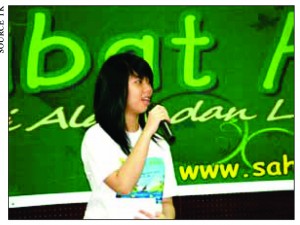
 Adeline was eleven years old and had just graduated from Primary Six in Indonesia when she first got involved with protecting the environment. “I think the most important environmental issue that we face in Indonesia and the world today is Climate Change, which has already disrupted our environment and communities,” she says, “Disasters such as floods, drought, and sinking islands could become more frequent and more severe. Those concerns encouraged me to start asking children to understand, commit and act to save our Earth.”
Many of Indonesia’s low-lying coastal farms would flood if sea levels continue to rise due to global warming. Two thousand of the nation’s smaller islands could be underwater by 2030. Rising temperatures may shorten the rainy season and make storms more severe. These changes would affect Indonesia’s rice yield—the staple food for more than 230 million people.
“Nature is declining in quality at an alarming rate,” Adeline says, “starting from where we live and stretching to the sea—the river, the forest and the air that we breathe. The effects can be felt in the form of floods, air pollution and beach erosion due to climate change and global warming.”
But Adeline is hopeful. Speaking with wisdom beyond her years, she says that, starting at an early age, children need to be encouraged to grow a sense of love and caring toward nature and the environment.
 Planting Trees in a Fragile Land
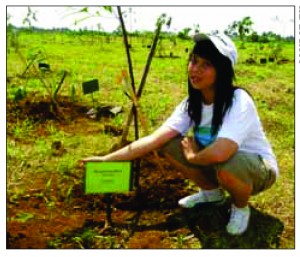
How does an eleven-year-old start to save the world? In July 2008, after graduating from primary school, Adeline spent her holiday teaching friends about the importance of mangrove trees. Soon they were planting mangroves at Taman Wisata Alam Angke Kapuk, the Jakarta Mangrove Rehabilitation Center.
She says that in order for the project to succeed, it was important “to make children include their parents so that they start realizing that it is time that we contribute to the world to save our mother nature from destruction.”
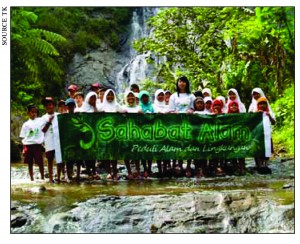
Adeline’s enthusiasm is contagious. She and her colleagues soon formed a group called Sahabat Alam, or “Friends of Nature.” The number of children who joined Sahabat Alam and the environmental projects they took on grew quickly. The group’s activities included ecotourism, planting coral reefs, freeing Penyu Sisik (hawksbill turtles) and cleaning marine debris from beaches.
Several national and international Environmental Organizations have now recognized the work of Sahabat Alam. In May of 2009 Friends of Nature received the Biodiversity Foundation’s (Yayasan Kehati’s) Highest Award and Appreciation in honor of the group’s commitment toward developing awareness among children and youth as the next generation of stewards of Indonesia’s biodiversity.
 Adeline says she feels honored that she was awarded first place in the 2009 International Young Eco-Hero Awards (for ages eight to thirteen) by the San Francisco-based Action for Nature, a non-profit organization that aims to inspire young people to take action for the environment and protect the natural world in their own neighborhood and around the globe. She was also selected as an Indonesian Delegate by UNEP (United Nation Environment Programme) to participate in the 2009 TUNZA International Children’s Conference in Daejon, Korea in August 2009.
Adeline doesn’t see herself as being much different from any other twelve-year-old. “I am not the only Eco-Hero,” she says. “Children, youths and adults all over the world can do the same thing as long as they have the willingness and commitment. This comes first from the heart, then from sharing with friends and starting to take action.”
 Helping Rural Families
Adeline also sees the connection between the needs of people and the natural world. “I would like to help our remote brothers and sisters to fulfill their dream [of] flowing electricity into their houses for children to study, watch television, cook and all other activities, especially at night.” She is now involved with a program that is bringing electricity into remote areas that have never before had power. She points out that, “Nearly half of Indonesia’s 235 million people live in areas without electricity.”
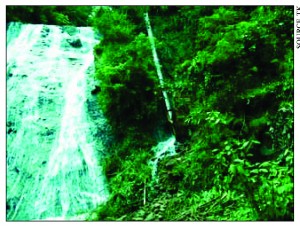
The solution? An Electric Generator Water Reel, a small hydroelectric generator that uses the natural power of a waterfall to produce what Adeline describes as “clean, environmentally friendly, Green, renewable and sustainable energy that does not increase the amount of carbon dioxide in the atmosphere or worsen the greenhouse effect.” The water reel simply turns in the falling water and doesn’t affect the waterfall or the flow of the stream. (See the box called “Reel Math”.)
Sahabat Alam is getting lots of help from parents and sisters, as well as the Indonesian Ministry of Environment. For the first installation, the group traveled to the region of South Cianjur, West Java, which is a four-hour drive from Jakarta. After walking up into the mountains for another two hours, the team finally reached the village of Kampung Cilulumpang. By the time they left, the villagers had electricity for the first time in their lives. The group is now building Electric Generator Water Reels for two other villages, and it plans to bring this project to villagers throughout Indonesia.
“Previously, children’s voices were not heard,” says Adeline, “but now, we are coming together to voice our commitment to our national leaders and world leaders, to make peace and start having one voice to save the Earth.”
“I share and affirm with all of them that, even with our small hands, children can initiate, contribute and implement environmental projects starting from their small community to nation-wide projects to contributing to the world by helping hinder climate change and global warming and save the earth from further destruction.”
“We are the next and future generations of the world. In our hands, the world and its contents are at stake.”

Resources
Adeline Tiffanie Suwana’s Friends of Nature website
Action for Nature
Change the World Kids
Young Voices on Climate Change
YouTube video for Catch the Wind, Harness the Sun
Sources That Explain Global Climate Change:
Tiki the Penguin
Global Warming Question and Answer Web Site, National Oceanic and Atmospheric Administration/
National Environmental Satellite, Data, and Information Service (NESDIS) Asheville, North Carolina
Renewable Energy for Kids:
EcoKids Canada, Earth Day Canada, Toronto, Ontario
Energy Kids, U.S. Energy Information Agency, Washington, D.C.
Curriculum Connections:
The Pembina Institute: Lessons & Activities, Curriculum Links
Natural Resources Canada’s Climate Change Teacher Resources: Grade 5
Michael J. Caduto, author, environmental educator, storyteller and ecologist, is well known as the creator and co-author of the landmark Keepers of the Earth® series and Native American Gardening. He also wrote Pond and Brook and Earth Tales from Around the World. His latest books are Catch the Wind, Harness the Sun: 22 Supercharged Projects for Kids (Storey Publishing) and Riparia’s River (Tilbury House). His many awards include the Aesop Prize, NAPPA Gold Award and the Brimstone Award (National Storytelling Network). Michael’s programs and publications are described on his website: www.p-e-a-c-e.net

by editor | Jan 13, 2014 | Indigenous Peoples & Traditional Ecological Knowledge
 isdom of the Elders is developing a summer field science camp focused on environmental and climate change issues, and career pathway planning in STEM fields. The Wisdom Project is a youth leadership initiative for Native and low-income youth in the greater Portland area. Integrating best practices of K-12 curricula from EPA, NASA, NOAA and Portland’s Climate Action Plan, aligning to NGSS (Next Generation Science Standards), and introducing Traditional Ecological Knowledge (TEK) into the lessons to promote student social and physical well-being, thereby strengthening resilience and cultural identity in highlighting Native Americans as America’s “First Scientists”.
Read more at http://wisdomoftheelders.org/wisdomproject/


by editor | Oct 13, 2011 | Indigenous Peoples & Traditional Ecological Knowledge, Marine/Aquatic Education
 by Sarah E. Smith
from A Newsletter of the Salish Coastal Gathering
An innovative education program is introducing Squamish First Nation kids and their non-Native classmates to the richness of plant and animal life along the waterways of their lush corner of Coast Salish territory in British Columbia.
Last school year, 500 children in 24 classes from kindergarten to seventh grade learned about the life adventures of salmon, the magic of traditional medicinal plants and the duties of humans as stewards of the land and water.
The Squamish Rivers and Estuary Education program, a partnership between local schools, an environmental nonprofit and Squamish First Nation, provides a curriculum that incorporates the ancient aboriginal culture of the area. The program began in 2006 with eight classes from three schools participating. (more…)

 The Center for Coastal Margin Observation and Prediction (CMOP) is a multi-institutional, National Science Foundation (NSF) Science and Technology Center that takes an interdisciplinary approach to studying the region where the Columbia River empties into the Pacific Ocean. Two of CMOP’s focus areas are biogeochemical changes affecting the health of the coastal margin ecosystem, and socio-economic changes that might affect the lives of people who harvest and consume fish and shellfish.
 Wendy Smythe, a CMOP doctoral candidate and principal investigator for an NSF Enhancing Diversity in the Geosciences (OEDC) award, is an Alaska Native Haida. As she advanced in her own education, she wanted to share what she had learned with the youth of her tribal community, striving to do so with the blessing of the tribal Elders, and in a way that respected the Traditional Knowledge of the Elders. Dr Bueno Watts is a mentor and expert on broadening participation. She acts in an advisory capacity on this project.
 ln addition to the Elders, support was needed from a natural resources representative who functioned as a liaison between our group and the community members. This person’s role is found in most villages and could be the head of the Department of Natural Resources or a similar tribal agency that oversees fish, wildlife, and natural resources. This person provides a critical link between the natural environment and the community. The next step is to go in the field with the natural resources representative, science teachers, EIders, and interested students to identify a meaningful focus for the community. lnitially we focused the project with a scientist’s view of teaching microbiology and geology of mineral deposition in a river ecosystem. However, the team found community interest low and no enthusiasm for this project.
 Figure 2: Students use data loggers to collect data on temperature, pH, and location.
 Students learned that the “dirty water” they observed in the river was actually the result of a natural process of acidic muskeg fluids dissolving iron minerals in the bedrock, no health danger. The real health threat was in the estuarine shellfish waters. Students shared all of their results with their families, after which community members began to approach the CMOP science team with questions about the quality of their drinking water. The community was relieved to find that the combined results of aquatic invertebrate counts and water chemistry indicated that the water flowing through their town was healthy. However they were concerned about the potential contamination as indicated by fecal coliform counts in the local estuary where shellfish were traditionally harvested.
 COMMUNITY RESPONSE


