
by editor | May 9, 2011 | Learning Theory
by Chuck Lennox
Principal (Consultant)
Cascade Interpretive Consulting LLC
Program evaluation is a valuable process to determine the efficacy of programming being offered to the public by an organization or agency. Sometimes the process can feel intimidating. How do I know we made a difference? How do I get started? Logic models help us develop an evaluation process in an organization or agency. They are also a useful tool to organize information in a succinct but comprehensive manner for grant applications and funding proposals. Using logic model formats encourage us to ask difficult questions that focus our goals and prioritize our efforts.
Introduction
Program evaluation can be challenging for front-line staff and their managers. Can someone who develops and presents a program effectively evaluate it themselves? What is the impact of a program on the public and target audience? How does a manager know if a program contributes to an agency’s or organization’s goals in a cost effective manner? First and foremost in many professionals’ minds, how do I get started in this process? (more…)
by editor | Apr 25, 2011 | K-12 Classroom Resources
by Chet Bowers, Professor Emeritus, Portland State University and Courtesy Professor of Environmental Studies, University of Oregon, United States
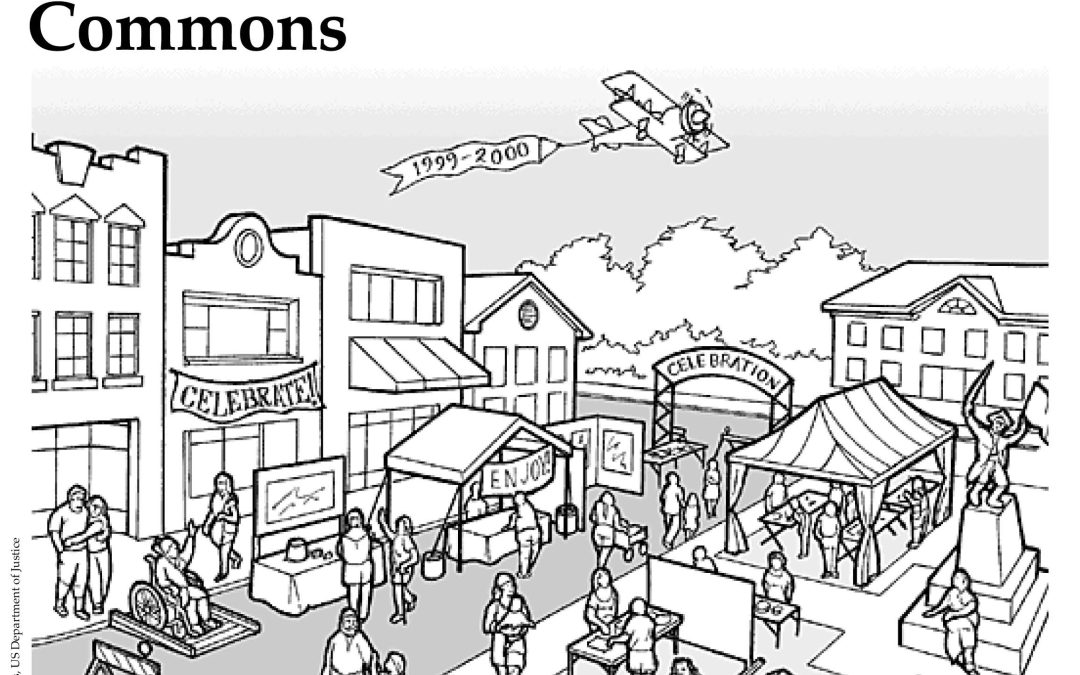
This article discusses how the cultural commons that exist in every community, both rural and urban, carry forward the intergenerational knowledge and skills that enable people to live more mutually supportive lives that are less dependent upon consumerism and that have a smaller ecological footprint.
Also discussed is why public schools and universities have relegated the intergenerational and largely non-monetized knowledge and skills to low status, as well as the different ways in which the traditions of community self-sufficiency are being transformed into new markets that lead to greater dependency upon a money economy. The cultural commons began with the first humans, and will become increasingly important as the industrial/consumer culture continues to collapse.
(The image by James Penstone is licensed under a Creative Commons Attribution-NonCommercial-ShareAlike 2.0 UK: England & Wales License.
(more…)
by editor | Apr 20, 2011 | K-12 Classroom Resources
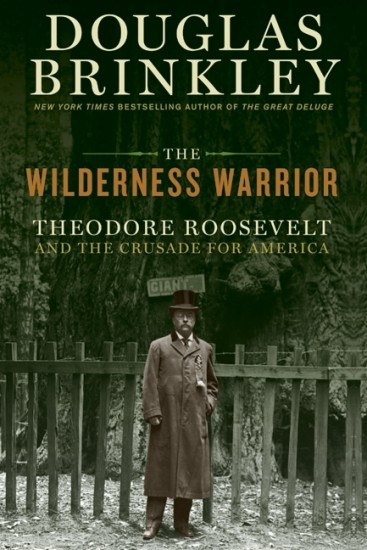
 Author: Douglas Brinkley Publisher: HarperCollins
Book Review by Orlay Johnson
Whether you have only thought of Teddy Roosevelt as a stuck-up war-mongering aristocrat or as the first modern and progressive US President, I think you will like this book. It is well researched, detailed, and a fun read. The book focuses on Teddy’s (Theodore, to his friends) preservationist side, addressing the questions of how, why, and when he went from a rich city kid, with little formal schooling, to perhaps most effective conservationist in US history. For at least 100 years, he protected more of America’s natural real estate than all other presidents combined. True the book does ignore most of his the war mongering, but in other ways does not hesitate to show his weaknesses and class blindness. However, above all else, it brings us a wealth of new information and insights, not only about TR, but also about America and our history of resource exploitation at the cost of human and environmental devastation. I think it is must for anyone serious about making America greener, not to mention it is a fun read. (more…)

by editor | Apr 19, 2011 | Conservation & Sustainability, Features on Outstanding Programs, Outstanding Programs in EE
 by Gregory A. Smith
Lewis & Clark College, Portland, Oregon
As news stories about global climate change, the peaking of oil production, or the threat of major water shortages appear more frequently in the mainstream press, it is not surprising that concerns about the long-term sustainability of institutions associated with industrial civilization have become common. Although national and global organizations have been involved with this issue since the 1970s, only in the past decade has the general public begun to attend to the degree to which our economy and way of life are vulnerable to the impact of human behavior on the natural systems that support our species. The term, sustainability, has become part of our daily language, and even though it is now employed to justify the efforts of transnational corporations as well as environmental organizations, its use points to a growing awareness that humanity can no longer ignore the environmental consequences of our activities and decisions. (more…)
by editor | Apr 7, 2011 | Environmental Literacy, Marine/Aquatic Education, Place-based Education
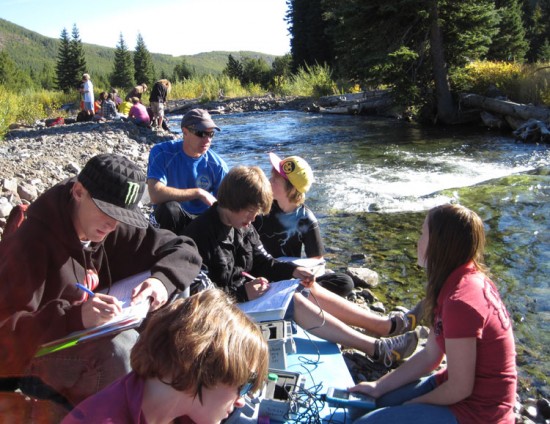
 Rather than viewing technology as an enemy of environmental literacy, technology-based learning can help cultivate an environmental sensibility by serving as a “bridge” to the outdoors.
By Ryan Johnson
When I was ten years old, I was absolutely obsessed with the original Nintendo Entertainment System. My cousins had one, my best friend had one, it seemed like everyone I knew had a Nintendo. I would have done just about anything to have one as well, but my parents refused, despite my continuous complaints and numerous solicitations.
I thought I was the most neglected ten-year-old child in the world, while my parents, patiently suffering my pleas, would remind me that the Beartooth, Big Horn, and Pryor Mountains, the McCullough Peaks, and Shoshone River were just beyond my doorstep. These natural features were, in fact, truly magnificent and unavoidable constituents of the landscape, dominating every view with snow-capped peaks, granite cliff faces, rainbow-colored bluffs, and crystal clear riffles, containing everything from wild horses to Grizzly Bears to rattlesnakes. Now, perhaps needless to say, I prize every single second I am able to gaze upon the mountains and deserts of northern Wyoming, and I cherish every memory of running through alpine forests and mountain biking through tumbling sage brush. But a conscious acknowledgement of my privilege of being born into such natural wonder eluded me, and as a result I still found modern, escapist forms of entertainment media seductive. Even in a place completely dominated by mountains, peaks, rivers, valleys, prairie, and high desert, I still found a way to explore MTV far more often than Heart Mountain. (more…)


