
Explore the archives
Educating About Water
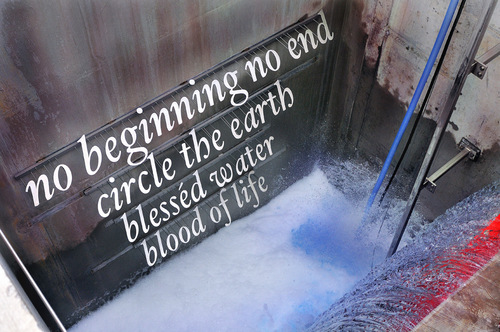
Brightwater: An Opportunity for Connection by Cynthia Thomashow he Metro bus opens its doors, releasing 40 fourth-graders who have ridden an hour from South Seattle to the Brightwater Water Treatment Center in Woodinville, Washington. “We’re in the wilderness!”...

Earth Day
Although this article was written in 1996, and contains references to events and people from that era, much of Weilbacher's critique remains relevant today. -Ed. Every Day is NOT Earth Day Reflections on the True Meaning of Earth Day by Mike Weilbacher 'll...
Reaching Out with Respect: EE with Underserved Communities
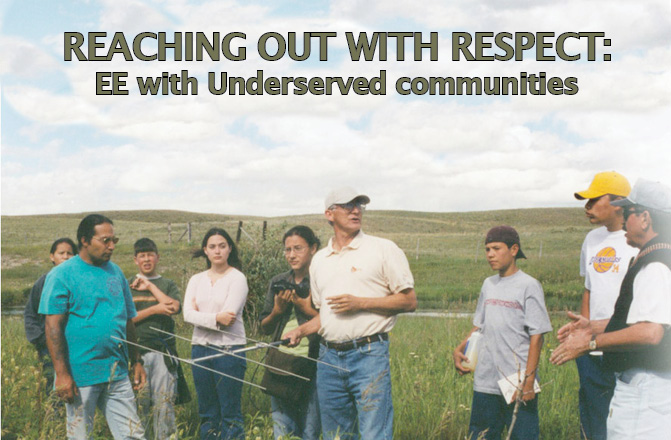
Reaching out with Respect: Environmental Education with Underserved Communities Thinking about environmental education and underserved communities is an opportunity to challenge our assumptions about nature, culture and science, and, our assumptions about the life...

Jim Martin: Is Science Communication?
Is Science Communication? Can students, moving around and talking, do science? by Jim Martin CLEARING Associate Editor You’re trying to answer a question. Student work groups have designed their own investigations to understand the question, develop inquiries to...

Bird Language
Creating the Need to Pay Attention Field trips and adventures in the woods are tremendously important experiences for children, especially those students that don’t often get to spend time in a natural setting. Some of the most important, lasting results of good...
Coastal Margin Science and Education
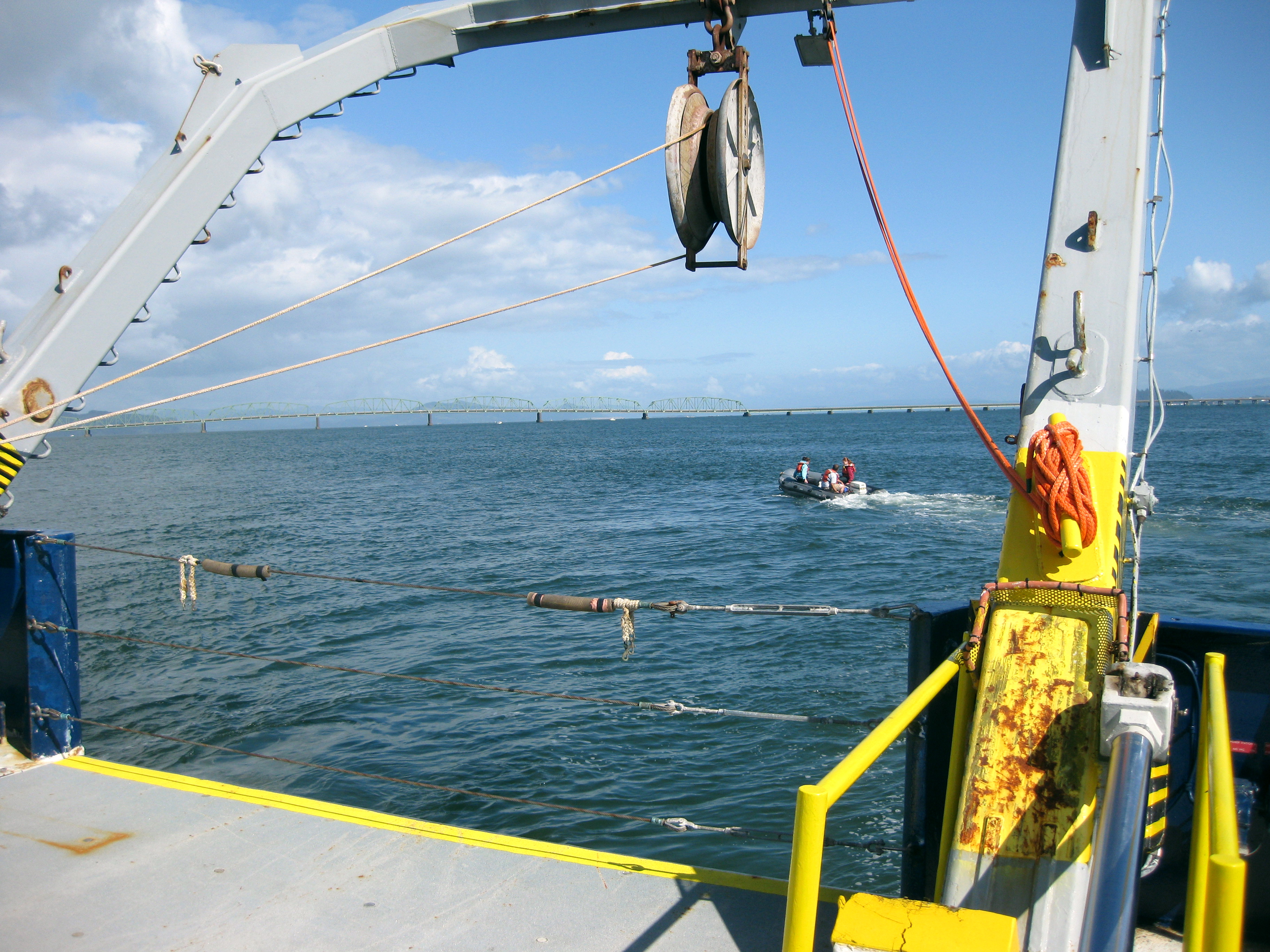
CMOP: The Best Environmental Education Program You've (Probably) Never Heard About . . Coastal Margin Science and Education in the Era of Collaboratories by Vanessa L. Green, Nievita Bueno Watts, Karen Wegner, Michael Thompson, Amy F. Johnson, Tawnya D. Peterson and...

Why Garden in School? (Part 4)
Can School Gardening Help Save Civilization? (An Essay in Four Parts) by Carter D. Latendresse The Catlin Gabel School Abstract This paper is an argument for gardening in schools, focusing on two months of integrated English-history sixth grade curriculum that...
Jim Martin: Do We Learn As Our Students Learn?
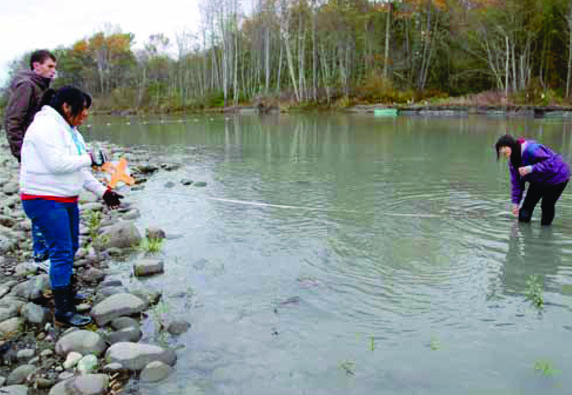
Do We Learn As Our Students Learn? by Jim Martin CLEARING Associate Editor We propose that an essential feature of learning is that it creates the zone of proximal development; that is, learning awakens a variety of internal developmental processes that are able to...

Incorporating Traditional Ecological Knowledge into Geoscience Education
It Takes a Community to Raise a Scientist: A Case for Community-Inspired Research and Science Education in an Alaskan Native Community By Nievita Bueno Watts and Wendy F. Smythe The quote, "lt takes a village to raise a child," is attributed to African...

Greening the Language Arts
Considering Sustainability Outside of the Science Classroom by Lauren G. McClanahan Western Washington University Humanity is exalted not because we are so far above other living creatures, but because knowing them well elevates the very concept of life. —E.O. Wilson...
Place-based Education
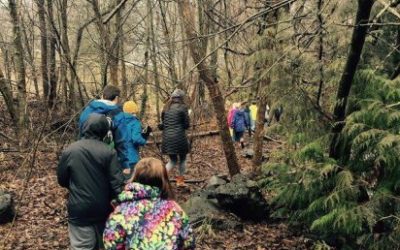
15 Ways to Know You're Connected to a Place What Does "Connecting to a Place" Really Mean? By Cliff Knapp Environmental and place-based educators frequently refer to a goal they set for their students — connecting or reconnecting them to a place. What does this really...

No Fooling: Exploring the Nature of Responsibility, Progress, Success, and Good Work
No Fooling: Exploring the Nature of Responsibility, Progress, Success, and Good Work How we answer a challenge raised over half a century ago regarding the way we handle the blessings of nature will go a long way towards determining our future. by Peter Hayes In the...

Why Garden in School (Part 3)
Can School Gardening Help Save Civilization? (An Essay in Four Parts) by Carter D. Latendresse The Catlin Gabel School Abstract This paper is an argument for gardening in schools, focusing on two months of integrated English-history sixth grade curriculum that...

Finding Lessons In the World Around Us: Bringing the Pieces Together
Were You Assigned A Class You Have No Background or Preparation to Teach? by Jim Martin CLEARING Associate Editor ne year, I worked with a middle-school mathematics teacher who decided to engage his class in some work on a wetland and lake bordering a large...
Bias and the Educator in the Mirror
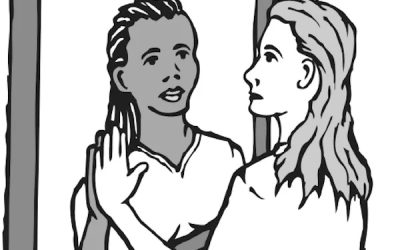
Bias and the Educator in the Mirror Our inherent perspectives color the world we share with our students. by Victor Elderton Many of us in environmental education strive to create lessons and activities which we hope will facilitate greater understanding and stimulate...

Why Garden in School (Part 2)
Can School Gardening Help Save Civilization? (An Essay in Four Parts) by Carter D. Latendresse The Catlin Gabel School Portland, Oregon Abstract This paper is an argument for gardening in schools, focusing on two months of integrated English-history sixth grade...
Phenology Wheels: Earth Observation Where You Live
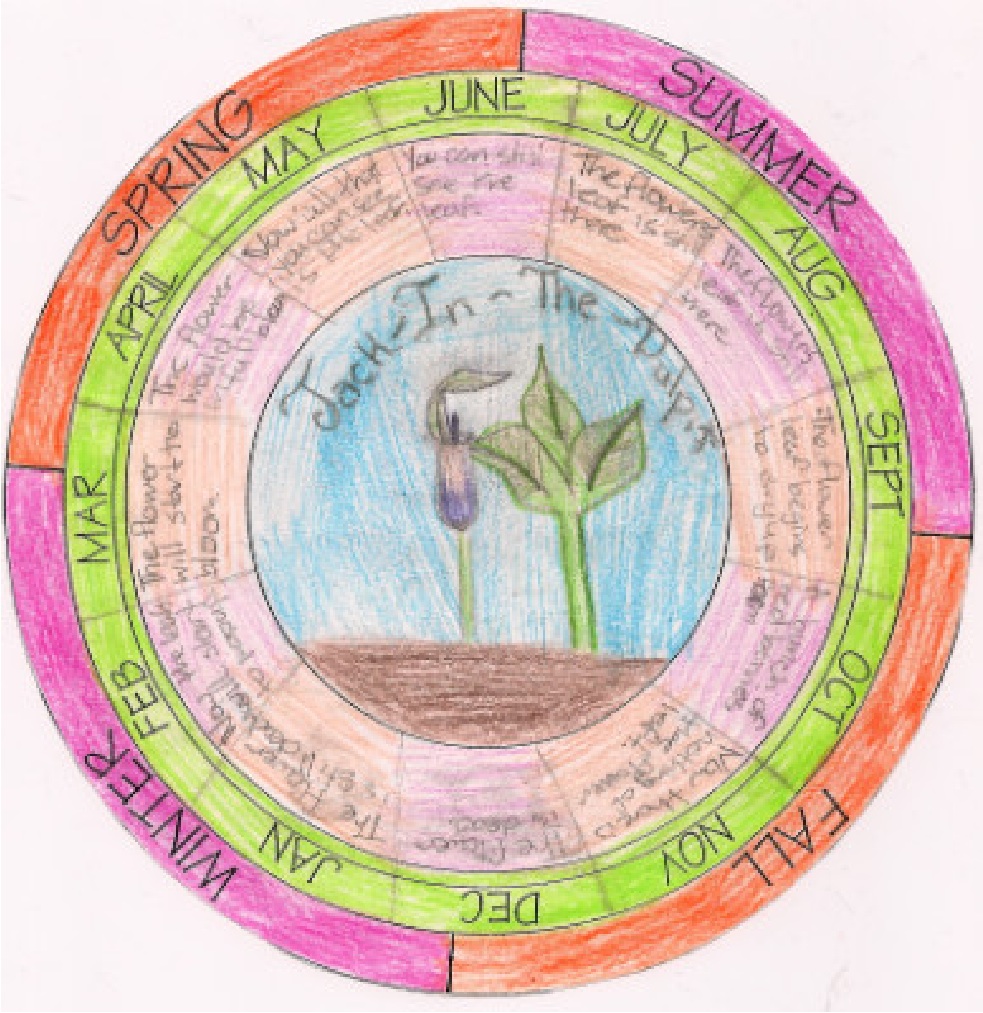
Phenology Wheels: Earth Observation Where You Live By Anne Forbes, Partners in Place, LLC This article originally appeared in Earthzine - http://earthzine.org/ . . aking a habit of Earth observation where you live is a fun and fundamental way to practice Earth...

How Big is Science? Can I Discover its Dimensions?
How Big is Science? Can I Discover its Dimensions? There is great beauty in thoughts well conceived and clearly expressed. This is science, when it is skillfully done. by Jim Martin CLEARING Associate Editor (Photo by Jim Martin also!) When I first taught high school...
Ecological Métissage: Exploring the Third Space in Outdoor and Environmental Education
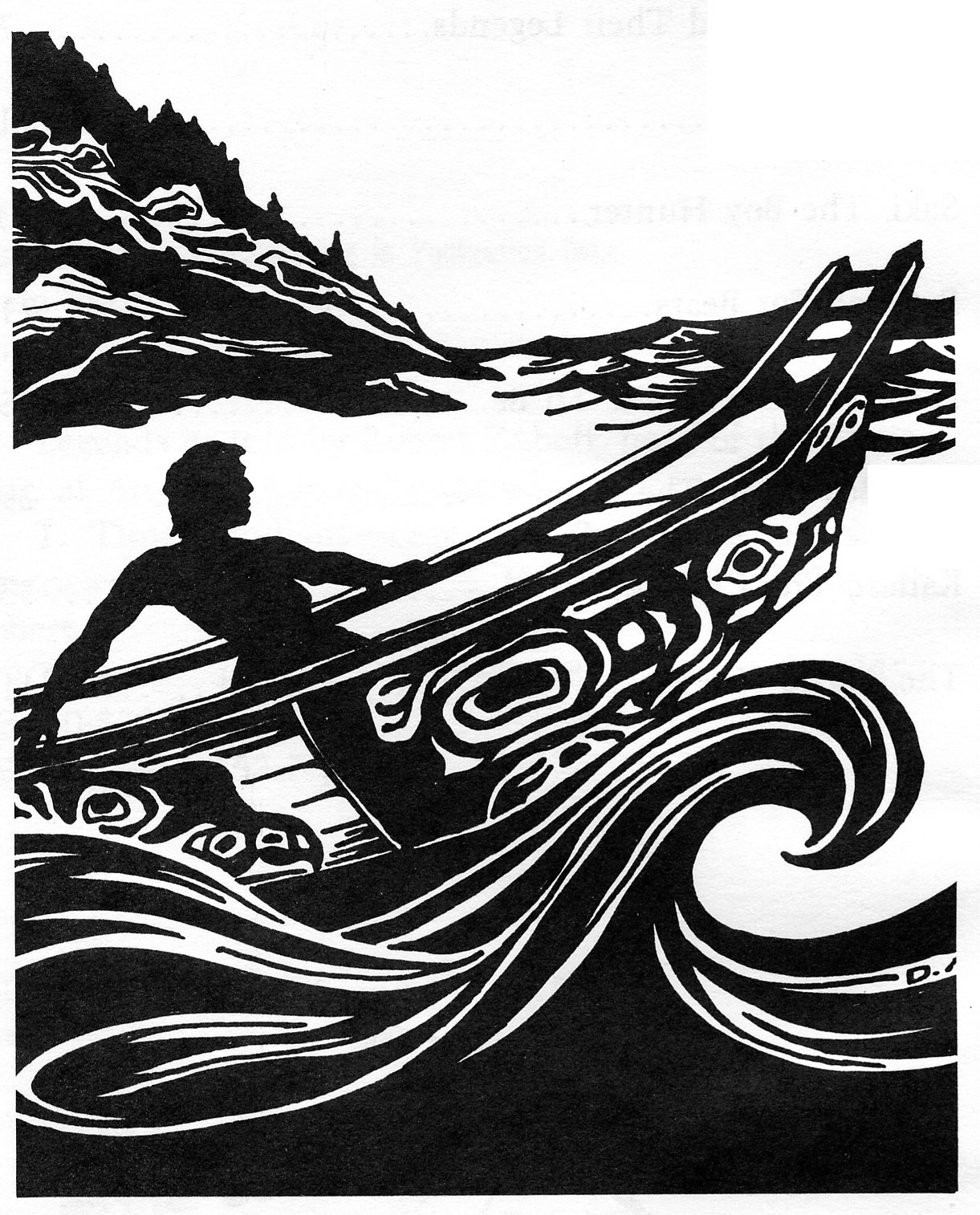
Ecological Métissage: Exploring the Third Space in Outdoor and Environmental Education By Greg Lowan An increasing number of scholars, both Indigenousi and non-Indigenous, are asking, “Is it possible to blend Western and Indigenous North American ecological...

In Support of Outdoor School
In Support of Outdoor School By Merrill Watrous “I not only learned about ghost shrimp and how to catch them, I did catch them. I not only learned what a chitin was and where it lived, I went out to where it was and petted it. Almost everything (at Outdoor School) was...

Students’ Lived Experience
Effective Education: Turning the Classroom Inside Out By Indira Dutt s a child at school I remember sitting in a stuffy portable looking out the window to the field and houses beyond. I felt constrained: my seat was attached to the desk, the classroom was just barely...

Why Garden in School (Part 1)
Can School Gardening Help Save Civilization? (An Essay in Four Parts) by Carter D. Latendresse The Catlin Gabel School Abstract This paper is an argument for gardening in schools, focusing on two months of integrated English-history sixth grade curriculum that...

Helping Teachers Gain Competencies in a Technological Age
Helping Teachers Gain Competencies in a Technological Age Is Active Learning, Learning? by Jim Martin Because active learning requires practice and feedback on thinking like an expert (a scientist), it demands considerably greater subject expertise by the teacher. . ....
EE Research: Storytelling as a Tool for Young Learners
EE Research: Storytelling as a Tool for Young Learners Using storytelling is the best way to engage very young students from EE Research Bulletin Nicole Ardoin, Editor Research suggests that lasting attitudes toward nature and the environment form in the first few...

Book Review: The Sixth Extinction
Reviewed by Mike Weilbacher The Sixth Extinction: An Unnatural History By Elizabeth Kolbert Henry Holt. 319 pp. $28 We inhabit an extraordinary planet overflowing with an abundance of life: massive coral reefs built by billions of tiny invertebrates, rain forests...

Book Review: A Pedagogy of Place
What is Outside of Outdoor Education? Becoming Responsive to Other Places By David A. Greenwood A review of Wattchow, B. & Brown, M. (2011). A Pedagogy of Place: Outdoor Education for a Changing World. Clayton, Victoria: Monash University Press. As someone who follows...
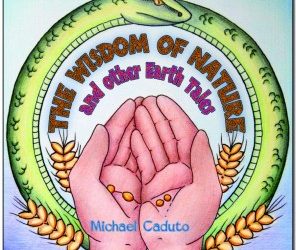
Earth Tales and Activities
The Power of Storytelling: Earth Tales and Activities Show the Way for Living in Balance by Michael J. Caduto ©2014 All Rights Reserved From Siberia to the tip of South America, and from Africa to Polynesia, stories have grown from the very Earth upon which...
EE Research: Using Inquiry-Based Activities to Teach Science
Using Inquiry-Based Activities to Teach Science from EE Research Bulletin THE RESEARCH: Tan, A.-L. & Wong, H.-M (2012) ‘Didn’t get expected answer, rectify it' — Teaching science content in an elementary science classroom using hands-on activities. International...
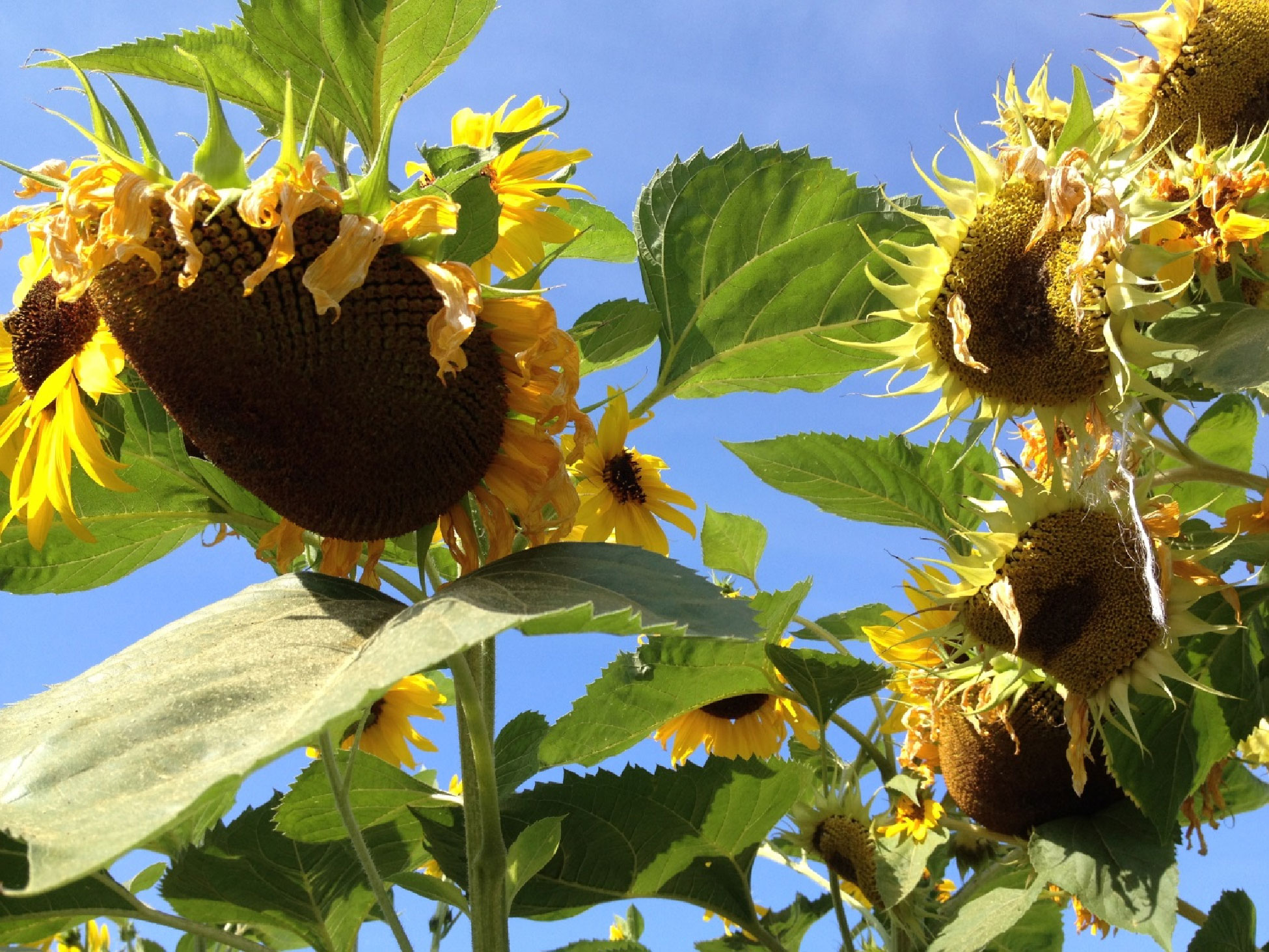
Integrating STEM and Sustainability through Learning Gardens
Integrating STEM and Sustainability Education through Learning Gardens: A Place-Based Approach to the Next Generation Science Standards by Sybil S. Kelley and Dilafruz R. Williams; Portland State University ur ecological and social problems are deeply...
How Teachers Are Learning About Place Through Service Learning
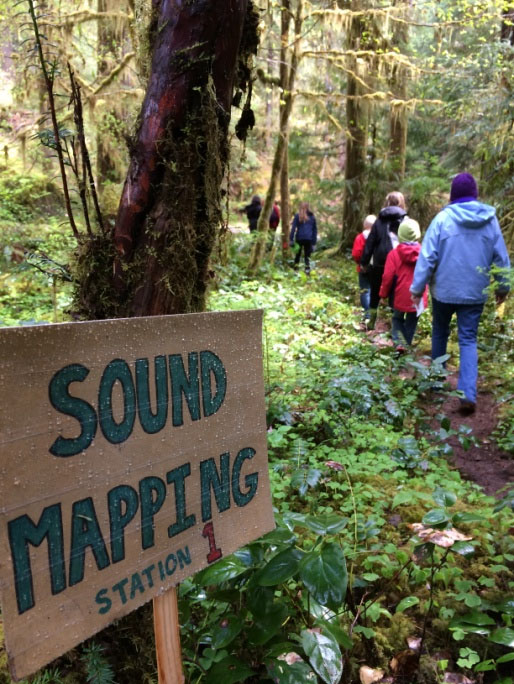
To view this article in .pdf format, click here: MyMcKenzie An environmental education professional development program using place-based service-learning by Kathryn Lynch University of Oregon Environmental Leadership Program here does your drinking water come from?...

Re-thinking Trash
Re-thinking Trash with Students! Getting youth—and anyone—to reconsider their trash can be difficult, but that’s what Trash for Peace, a Portland-based nonprofit, does. The organization aims to help people reduce waste through functional art by using the items we...

Students on the Road for Science
Students on the Road for Science For two weeks in July, seven Heritage University students and 11 high school students from White Swan and Yakima traveled more than 2,000 miles for a class that was one part field experience and one part cultural exchange. The course,...
EE Research: Writing Stories Builds Scientific Literacy
Writing Stories Builds Scientific Literacy From Environmental Research Bulletin Nicole Ardoin and Jason Morris, Project Leaders THE RESEARCH: Ritchie, S. M., Tomas, L., & Tones, M. (2011). Writing stories to enhance scientific literacy. International Journal of...
Share Your Standards to Integrate Your Teaching
Teaching Science: Share Your Standards to Integrate Your Teaching by Jim Martin CLEARING Associate Editor Let’s say you wish to incorporate an activity in the neighborhood of your school into a unit you are planning in science, and have been thinking about asking the...

Ripples in the Pond: Building Deeper Conceptual Understandings in Science
Teaching Science: Ripples in the Pond: Building Deeper Conceptual Understandings in Science by Jim Martin CLEARING Associate Editor Flat, circular and smooth, the rock spat at the clean surface of the water, twisted slightly on its axis, and flew again. Dark and...

EE Research Summary: Comparing the Philosophies of Muir and Leopold
Who's a Better Role Model: John Muir or Aldo Leopold? From Environmental Research Bulletin Nicole Ardoin and Jason Morris, Project Leaders THE RESEARCH: Goralnik, L., & Nelson, M. P. (2011). Framing a philosophy of environmental action: Aldo Leopold, John Muir,...

Teaching Stewardship Through Native Legend
Teaching Stewardship Through Native Legend Abstract: This article provides the reader with a general background of Alaska Native education and resource conservation, focusing on southeast Alaska cultures. European contact severed these education models by creating...

New from Dawn Publications: Forest Bright, Forest Night
Classify It!- Learn about animal classifications through a guided discussion of the book Forest Night, Forest Bright. http://dawnpub.com/activities/Classify_Activity.pdf

Teaching and Learning Ecologically
Cultivating Ecological Teachers and Learners Using Project Learning Tree by Jaclyn Stallard from The Branch, Project Learning Tree's E-newsletter Summer 2014 "Ecological teaching and learning is not just a matter of pedagogy, but also philosophy. Ecological...

Using Snowpack to Teach Climate Change
Climate Change Education SWEet!: Using Cascade Snowpack to Teach Climate Change by Padraic Quinn, Rachel Carson Environmental Middle School Padraic_Quinn@beaverton.k12.or.us Illustration by Bill Reiswig Three years ago I was given the opportunity to learn with the...

Using Links as Labs: First Green Connects Kids, Classrooms and Golf Courses
2014 E3 Green Apple Award Winners Using Links as Labs: First Green Connects Kids, Classrooms and Golf Courses As the United States seeks to meet the rising need for graduates with STEM (Science, Technology, Engineering and Math) degrees, First Green is filling the...

Listening To The Language of The Land and People
Place-based Education: Listening to the Language of the Land and the People By Clifford E. Knapp, Professor Emeritus, Northern Illinois University Introduction The intersection of place and education has occupied much of my teaching even though this field has not...

11 Great EE Resources for July
Special thanks to Phyllis Dermer and the National Oceanic and Atmospheric Administration (NOAA) 1. Melinda Gray Ardia Environmental Foundation Grants K-12 teachers are invited to apply for grants to develop or implement environmental curricula that integrate hands-on...

Are economies the only things that expand and contract?
Are Economies the Only Things that Expand and Contract? Do we need to inject more time for contemplation into our curricula? by Jim Martin CLEARING Associate Editor Photo by Jim Martin Concentration and contemplation. Expand and contract. Walk drive. Makes life...

Gardens Grow Minds: The School as Green Educator
Gardens Grow Minds: The School as Green Educator by Mary Quattlebaum “We have a garden! With flowers and butterflies!” The third graders beam as they describe their wildlife garden during my author visit to St. John the Baptist (SJB) School in Maryland. I...

The Power of One
The Power of One by Michael J. Caduto You must be the change you wish to see in the world. — Mahatma Gandhi bout five years ago I started to plan for a new book for children, parents and teachers about global climate change. I soon found that there...

Starting a Community-based Natural Resource Education Program
Starting a Community-based Natural Resource Education Program Strategies for Authentic Community Engagement Authors Patrick Willis Oregon State University Extension 4-H Portland, Oregon Susan Cross Environmental Educator Tucson, Arizona lmost every school has a...
Using litter-fall to study carbon cycling
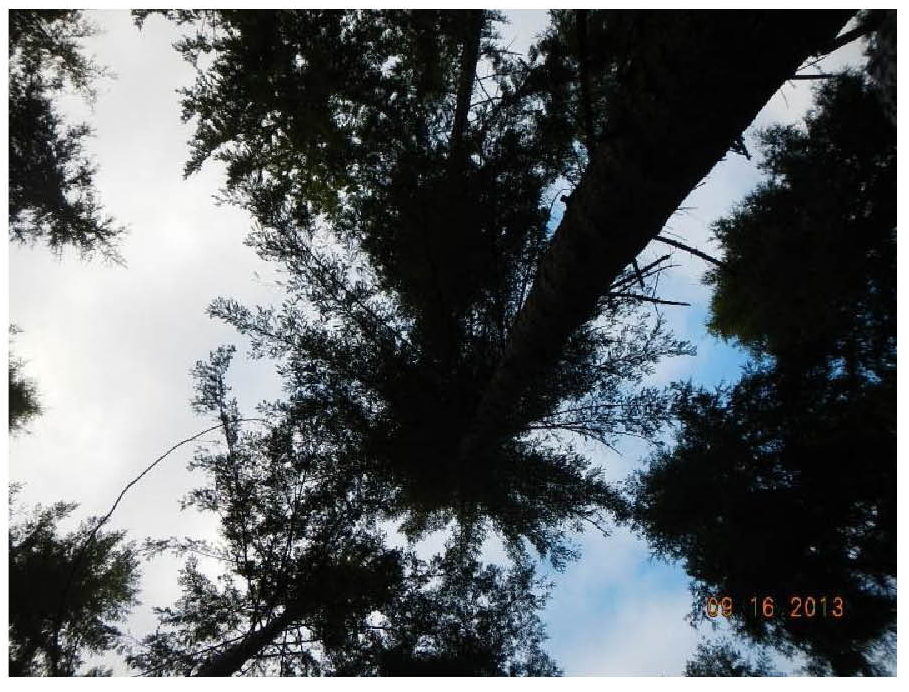
The LitTER Project: A field method for using litter-fall to study carbon cycling by Lee Cain & Nick Baisley Astoria High School Science Department ABSTRACT During a NASA funded Teacher-Researcher Partnership program focused on bringing Global Warming and Climate...
10 Questions to Ask When Developing Place-based Learning Experiences
10 Questions to Ask When Developing Place-based Learning Experiences by Gregory Smith, Professor of Education, Lewis & Clark College he March 19, 2014 Oregonian included an article about two math teachers at Benson High School in Portland who have created a course...
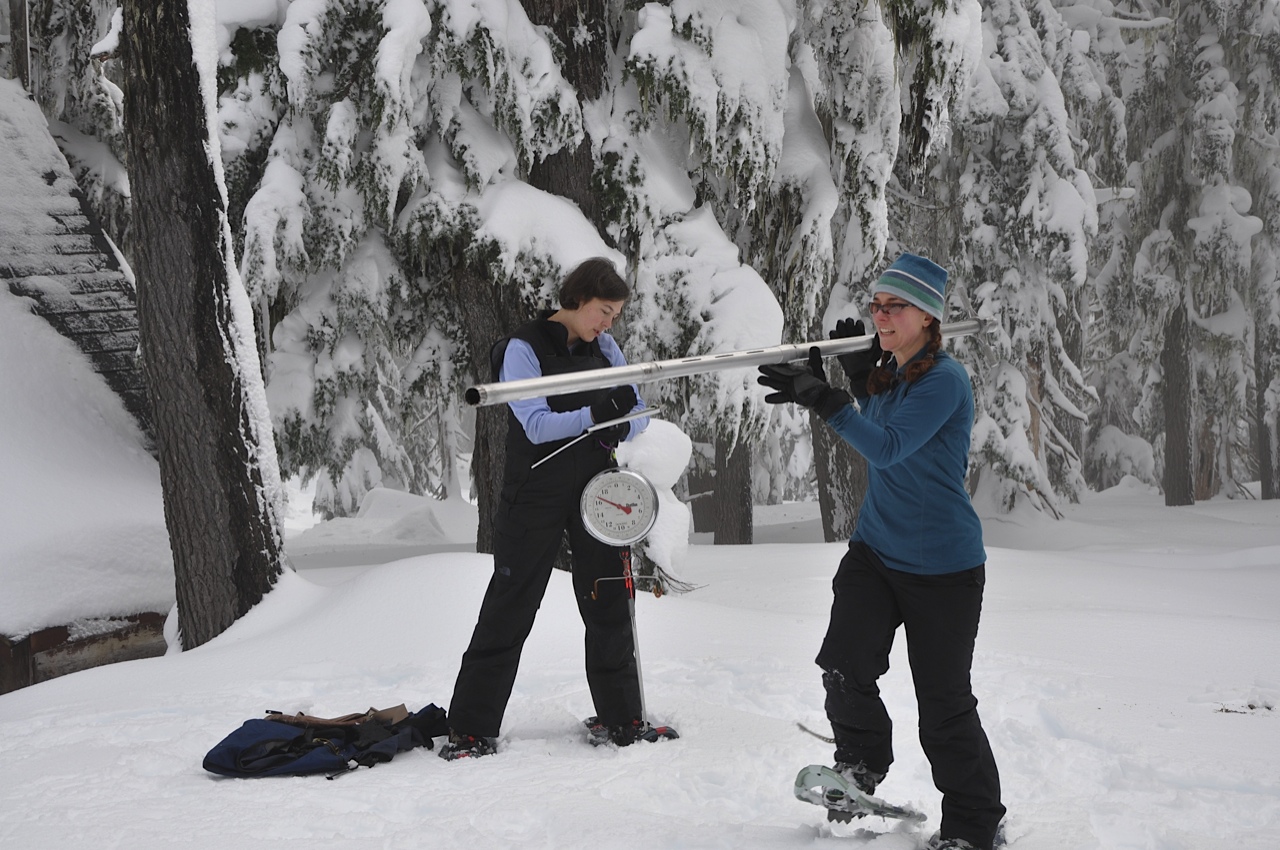
Using snowpack data for inquiry, graphing and analysis
Middle School Students Use Historic Snowpack Data to Gain Inquiry, Graphing and Analysis Experience by Joe Cameron Beaverton Middle School teacher What do you get when you mix researchers, teachers, authentic science opportunities and a group of GREAT people?...
Browse by Theme or Topic
Gardening, Farming & Permaculture
Stay Up to Date with the Latest Ideas and Resources
Join Our Newsletter
Stay up to date on environmental education in the Pacific Northwest. We’ll deliver ideas you can use to your inbox once a month.