
Explore the archives

Charting a New Course for Marine Educators
The West Coast Governors’ Agreement on Ocean Health The ocean plays a critical role in maintaining ecosystems and is essential to our health and wellbeing. Its diversity of resources belong to all of us. Yet, only 1 in 10 Americans understand ocean systems or the...
Community-Based Education
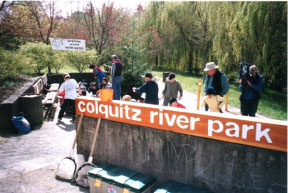
The Colquitz Watershed Stewardship Education Project By Pam Murray Along the Cowichan River, surrounded by the smell of cottonwood resin, an elementary school student discovers that dragonfly larvae look like aliens. In a quiet wetland, a middle school teacher marvels...
Ocean Science: What should kids learn?
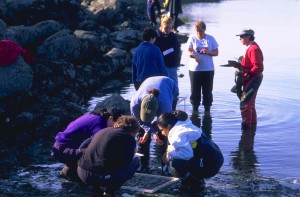
by Gene Williamson Forty years ago, when I first decided that I wanted to teach about the oceans in my 8th grade classroom in Corvallis, I was faced with a daunting task. Not only were there only the sketchiest of materials available, the prevailing wisdom was that...
Review: Flotsametrics and the Floating World
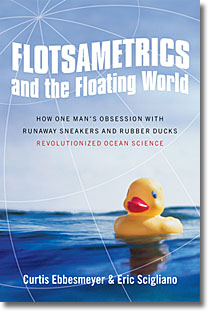
How One Man’s Obsession with Runaway Sneakers and Rubber Ducks Revolutionized Ocean Science Authors: Dr. Curtis Ebbesmeyer and Eric Scigliano Publisher: Smithsonian Books/Harper Collins ISBN 13:9780061558412 Reviewed by Orlay Johnson If you would enjoy learning about...
Guiding Students’ Questioning
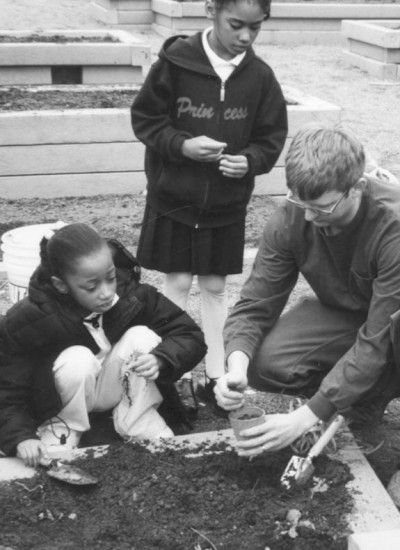
by Jude Curtain The sun was shining. There was just a hint of fall in the September air. Twenty three fourth graders were hunched over their white dishpans, excitedly sorting through their samples of forest litter. So began a series of lessons designed to guide...
The future of CLEARING…?
By Gregory Smith, Associate Professor of Education Lewis and Clark College, Portland OR June 10, 2010 As conditions globally and in the Pacific Northwest worsen, it seems increasingly imperative that individuals and organizations concerned about environmental and...
An unapologetic advocate…
by Rob Sandelin My primary goal as an educator at the Environmental Science School is to create connections between students and nature. I do this because I believe once students have a deep connection to nature, they become advocates, often for the rest of their...

Educating for Earth: Future Generations and All of Life
by Mike Seymour What we have called the "environmental crisis" is the most significant challenge humanity as a whole has faced in its recorded history. How we understand and frame this crisis—and how we summon the political courage to change—will determine the extent...
Works in Progress: Making the most of your environmental education opportunities
Works in Progress: Making the most of your environmental education opportunities Sneak up on them, and they’ll learn. On their own. By Jim Martin How do you take care of all the background capacity building students need to make the most of environmental education...

Sustainability and Schools: Educating for Interconnection, Adaptability, and Resilience
Sustainability and Schools: Educating for Interconnection, Adaptability, and Resilience by Greg Smith In my home state of Oregon it’s impossible to pick up the daily paper and not encounter some article that deals with concerns about environmental or social...
Storytelling in Science Education
by Brian "Fox" Ellis I learned early on that storytelling is one of the most important tools for teaching science. If you think about it . . . what is science? Science is an attempt to understand the universe. A well-told science story does three important jobs: It...
Dying is Easy: Comedy in Environmental Education
by Eric J. Fitch, Ph.D. Abstract: In the contest of ideas, environmental educators put themselves at disadvantage by not availing themselves of the tools of humor. From satire to ridicule to comedy, the ability to connect through humor shouldn’t be overlooked. Humor...
Sounds of the Southern Ocean
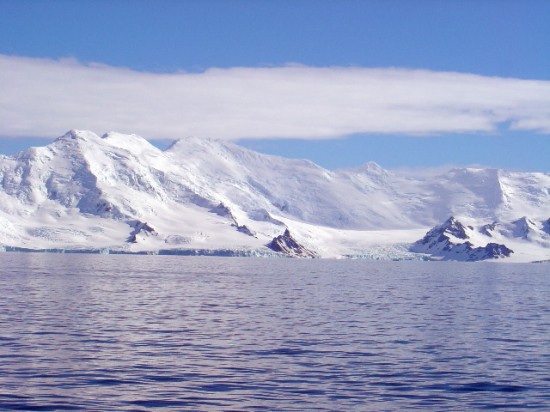
by Bill Hanshumaker Hatfield Marine Science Center The Southern Ocean surrounds Antarctica and serves as a conduit between the Atlantic, Pacific and Indian oceans. Yet because of severe climatic conditions, much of this ocean basin remains unexplored. Polar regions...
The Blessed Moment: Promise for Preparing Integrative Learners and Leaders
The symbolic act of learning and living sustainability in the future should intermingle the fabric of natural systems and human made social systems by Pramod Parajuli, Ph.D. Doctoral Program in Sustainability Education Prescott College Introduction The hundreds of...

Lessons of Discovery: Teaching and learning along with your students
Innovative tools allow a teacher to extend class activities on stream ecology and forest history by Charles Graham I have made an interesting observation about teaching recently. Some of the best lessons are not necessarily the carefully planned and orchestrated...
Review: Awesome Ocean Science!
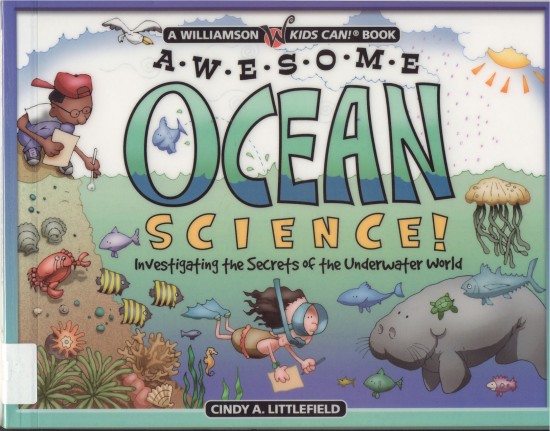
Investigating the Secrets of the Underwater World By Cindy A. Littlefield Illustrations by Sarah Rakitin Published by Williamson Publishing, 2003, 120 p. Reviewed by Sharon A. Hollander I review children’s books, and I read through plenty on science and nature. I can...

Ear to the Ground – Ned Buckingham, Olympic Park Institute
What is your current job title? I am a Field Science Educator for the Olympic Park Institute. How did you get into this field? My educational background is in Biology and Secondary Education, and when I graduated from college, I just wasn't ready to teach in the...
Learning from nature
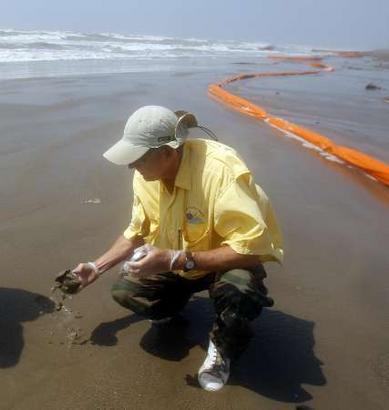
By Mark Costigan reprinted from The Oregon Daily Emerald It’s sad that it takes a threat of crude oil reaching American beachfront property for people to wake up. It seems the only way people unite around fighting environmental degradation is when the effects become...
Outdoor Education in the Schoolyard
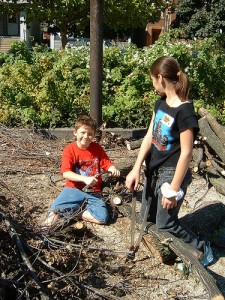
by Julie Lancaster Last year, I left the OE world that I love so much and went back to school to get my teaching credential/MA Education. I felt that loving education as much as I do, it would be extremely beneficial to study it! Finding myself headed toward student...

How to Start an Environmental Group in Your School or Community
If you're starting from scratch, use these steps as a guide to create an environmental group in your school or community. If you're already part of a high school class or club that addresses environmental issues, consider joining National Wildlife Federation's Earth...
The Empire Strikes Out
by Kenny Ausubel For all the chatter about the Age of Information, we really seem to be entering the Age of Biology. We didn't invent nature. Nature invented us. Nature bats last, as the saying goes and, more importantly, it's her playing field. We would do well to...
Teaching about the Rainforest
Warren Marchioni, Frances Vandervoort, Frank Hinerman, Ann Stocker, and Judy Kemlitz - 1991 Woodrow Wilson Biology Institute Classroom Ideas * Try to germinate tropical plant seeds in the classroom and have students determine the best conditions for plant growth...
Community Building through Education and Restoration
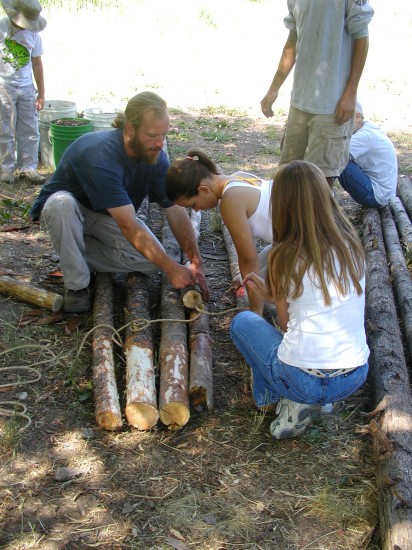
By Greg Fizzell, Tiffany Cooper, and Aly Bean The education program at the Palouse-Clearwater Environmental Institute (PCEI) gives local school groups and community members an opportunity to learn about the natural world while participating in community service. PCEI...

Ear to the Ground – Saul Weisberg, North Cascades Institute
This interview is the first in a series that will be a regular feature in Clearing. Check back each month for a new interview with a leading environmental educator in the Pacific Northwest. Saul Weisberg is executive director and co-founder of North Cascades...

The Forests of Lewis & Clark: Lessons from Dynamic Nature
by Jeremy Solin Standing next to a monstrous 300-year old Sitka spruce near Clark's Point of View on the Oregon coast, I try to imagine what the forests in this area were like when Captain Clark and crew passed through here in 1806. Many of us have romantic notions...
Burning Issues: Integrating the Curriculum With a Fire Ecology Unit
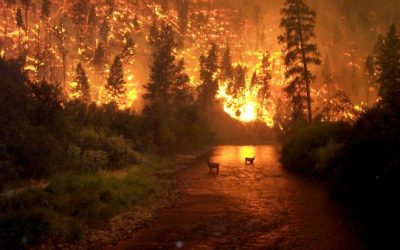
Burning Issues: Integrating the Curriculum With a Fire Ecology Unit Two Idaho classroom teachers share their strategies for integrating fire into the curriculum and meeting state mandated learning goals. . . . . Fire is Elementary by Kathy Comstock The new school year...

Fire’s Role in the Lives of People and the Forests of the Pacific Northwest
Activities for grade K-12 (Adapted from Fire in Pacific Northwest Ecosystems, Environmental Education Association of Oregon and Pacific Northwest Coordinating Group, 1997.) Compiled by Susan Duncan, Assistant Director of Environmental Education Washington Forest...
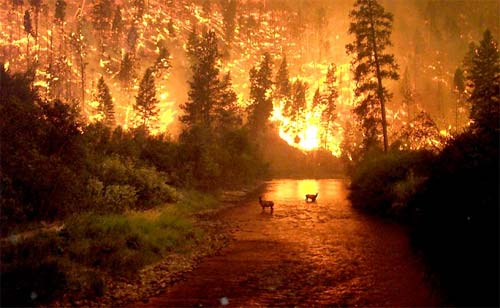
Fire and Society: A Burning Issue
Record setting fires in Northwest forests in recent summers have made fire management a top priority of land managers. Students can use the debate to learn about forest ecosystems and public policy. by Valerie Vogrin Fire has been an important ecological process for...
EE Activity Ideas K-12
Grades K-2 Science Flannel Beach Life Cut out pictures of intertidal animals from calendars or a cheap field guide. Laminate pictures and use stick-on velcro to turn them into flannel board creatures. (You can also purchase a set of flannel patterns from the Seattle...
Activity: Imagine That!
By John Miller and Michelle Smith (reprinted from BugNet, the newsletter of the Montana EE Association) Introduction The traditional method for teaching students about ecosystems has consisted of lab specimens, worksheets, films, and lecture by the instructor. Absent...
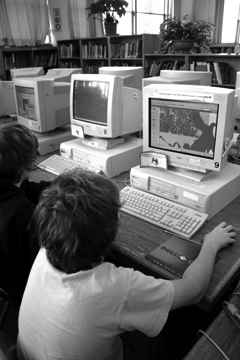
Can technology connect us to place?
Homewaters Project, an educational nonprofit in Seattle, successfully uses Geographic Information System (GIS) technology as one of its methods of connecting students to their natural and social communities. By Todd Burley, Homewaters Project As place-based educators,...

Review: Children’s picture books that celebrate summer
Reviews by Pat Scully With the coming of summer, opportunities abound for children to observe small creatures in the outdoors. Birds building nests and raising young, and butterflies, bees, and other insects converging in the flower garden capture children's interest...

Review: How We Know What We Know About Our Changing Climate
Scientists and Kids Explore Global Warming by Lynne Cherry and Gary Braasch Dawn Publications ISBN 9781584691037 Reviewed by Heather Mattioli Books about climate change typically start from the premise that students will only passively participate. Lynne Cherry’s book...
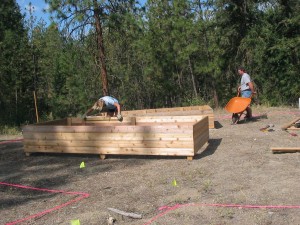
Teaching Teachers in a Learning Garden: Two Metaphors
by Veronica Gaylie University of British Columbia Introduction There are no larger fields than these, no worthier games than may here be played.grow wild according to thy nature...let the thunder rumble...take shelter under the cloud...Enjoy the land, but own...
Higher Education’s Role in Creating a Sustainable World
by Carol Brodie There are over 4,000 institutions of post-secondary and higher education in the United States, with over 14 million students. In 1999, 2.3 million degrees were handed out. These technical schools, colleges, universities, and professional...
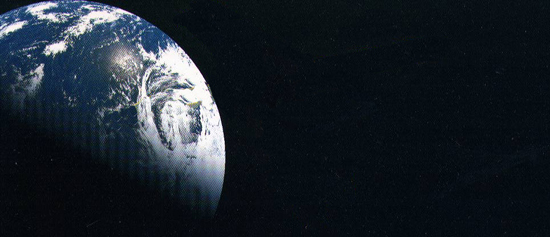
Educating for Eco-Justice…in an Era of Ecological Uncertainty
by Chet A. Bowers hat is ironic, even tragic for future generations, is that the various approaches to educational reform being advocated by politicians, parents, and professional educators in the United State do not take account of the rapid changes occurring in the...

New Climate Change Awareness Toolkit
Helping to prepare youth to understand their role in addressing environmental issues is an important focus of Forest Service Conservation Education efforts. Environmental education begins with awareness, and builds to increased knowledge and skills. And the goal of...
Winging Northward—A Shorebird’s Journey
by Sandy Frost and Ben Swecker For many people, a trip to Alaska is the dream of a lifetime. Yet cost and logistics keep many people away. In 2002, a group of dedicated educators joined forces to make such a visit— if only a ‘virtual’ visit—a reality for thousands of...
Review: Ten-Minute Field Trips
A Teacher's Guide to Using the Schoolgrounds for Environmental Studies Review courtesy of Fletcher Brown, University of Montana Author unknown Environmental education for children growing up in urban areas is often limited to a single trip to a forest preserve or...
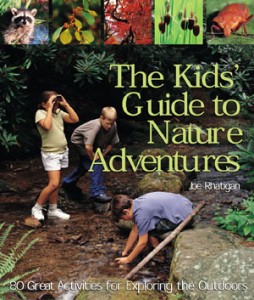
The Kids’ Guide to Nature Adventures
80 Great Activities for Exploring the Outdoors Whether their outdoor adventures include camping, hiking, or just exploring the backyard, kids will have a memorable experience with this cheerfully illustrated “nature guide” in their backpack. It’s filled with super...
Q and A: Michael Becker Talks About Hood River Middle School Outdoor Classroom
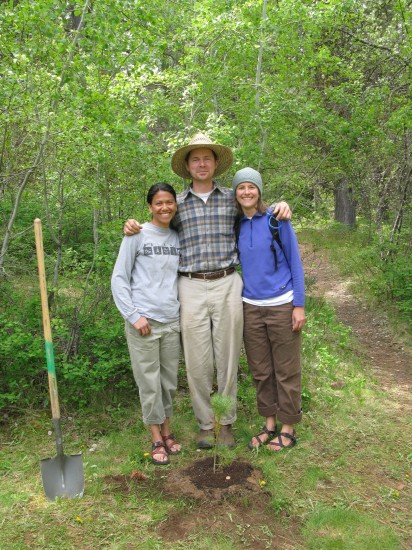
CLEARING: What have been the most difficult issues in getting this project started? Michael Becker: One of the Permaculture Design Method principles is to start small, and I highly advocate for starting with small projects that you can have initial success with....

Engaging Students in their Community: Hood River Middle School Outdoor Classroom Project
Hood River Middle School Outdoor Classroom Project The Outdoor Classroom Project is a work in progress where students are the researchers, engineers, designers, architects, builders, and users of a multidisciplinary, multi-sensory learning experience. What you see...
Connecting students and salmon in their watershed
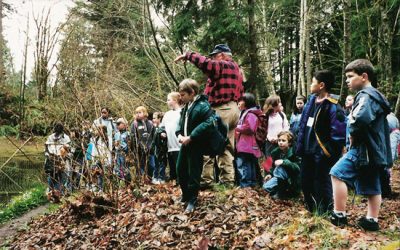
Connecting Students and Salmon in Their Watershed How rearing salmon in an elementary classroom can foster powerful teaching and learning in the content areas, environmental awareness, and good stewardship of the Earth By Daniel S. King, PhD My transition in January...
Beach Hoppers: Inquiry-based learning while having fun!
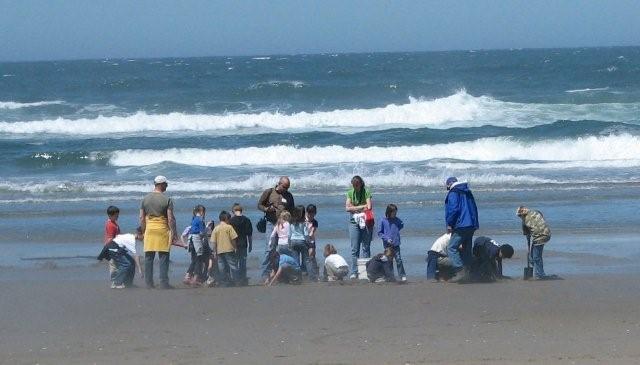
Beach Hoppers: Inquiry-based learning while having fun! Field trips are exciting. Field trips incorporating inquiry-based learning and live animals are even better. by Stephanie Schroeder This second grade unit focuses on beach hoppers, tiny amphipods found on most...

Review: Coyote’s Guide to Connecting with Nature
©2008 Jon Young and Wilderness Awareness School. This a book that needs to be in the possession of everyone who claims to be, or aspires to be, an outdoor educator. This book goes to the heart of developing a sense of kinship with nature and teaching about connecting...

Review: Salmon Creek
Reviewed by Victor Elderton ISBN: 0-88899-458-3 Published by: Groundwood Books / Douglas & McIntyre Written by: Annette LeBox Illustrated by: Karen Reczuch It’s not often in the Pacific Northwest that a children’s book is published that does a great job of...

Shadow of the Salmon: Preparing students with 21st century skills (Book review)
Reviewed by Ella Inglebret and CHiXapkaid (D. Michael Pavel) The salmon serves as an indicator species reflecting the overall health of the natural environment in the Pacific Northwest. For Native American tribal members, the salmon has played a central role in...
Review: Just a Dream
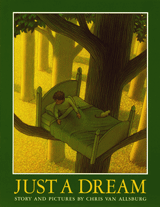
By Maggie Wolfe This is my one of my favorite children's environmental books. Chris Van Allsburg's illustrations are fabulous, as always, and greatly add to the drama of the story. I read this book to students (5th-6th grade) at the end of almost every week at outdoor...

Learning Through Place
Using the local community as a starting point for teaching interdisciplinary concepts and connecting students to the real world. By Kim Stokely Sixteen years ago, after attending a workshop on science teaching, I was driving home over a mountain pass when I stopped...
Preparing Teachers for Environmental Education
Preparing Teachers for Environmental Education by Louise Conn Fleming Abstract: Our teacher education team at our university teaches the junior year methods and assessment to preservice middle grades teachers. Starting Spring 2003 we began using “The Projects” as part...
Browse by Theme or Topic
Gardening, Farming & Permaculture
Stay Up to Date with the Latest Ideas and Resources
Join Our Newsletter
Stay up to date on environmental education in the Pacific Northwest. We’ll deliver ideas you can use to your inbox once a month.