
Explore the archives
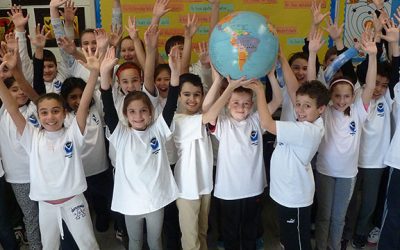
Environmental Literacy: What have students learned that is not on the test?
Environmental Literacy: What have students learned that is not on the test? by Janell Simpson and Susan Meyers reprinted from the North American Association for Environmental Education he intent of this article is to provide tools to the classroom teacher to document...

Don’t call it “Climate Change”
Barack Obama, scientists and campaigners have all looked at how to engage Americans more powerfully on the environment. Now researchers have come up with one critical piece of advice: do say "global warming", don't say "climate change". New research released on...
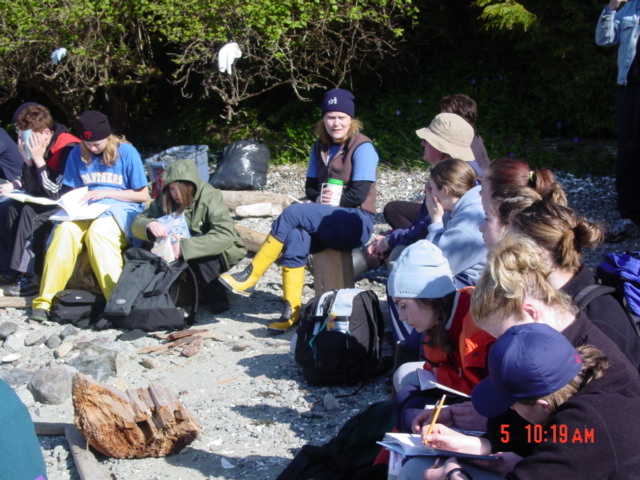
from Edutopia: Place-Based Learning MEASURES Up
Successful educational projects that focus on the community share key characteristics. by James Lewicki During the last several years, I have worked with dozens of elementary, middle, and high schools that value place-based learning enough to shift curriculum...

NOAA: Bridging art and science to protect salmon habitat
Balancing waterfront development with the needs of salmon is a continuous challenge that requires innovative thinking. To step outside the box, the National Oceanic and Atmospheric Administration (NOAA) and the Pacific Northwest College of Arts formed a unique...
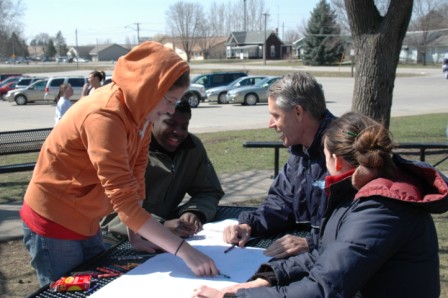
Top 10 Benefits of Environmental Education
By Susan Toth in Educator Tips & Stories, PLT Blog Environmental education (EE) connects us to the world around us, teaching us about both natural and built environments. EE raises awareness of issues impacting the environment upon which we all depend, as well as...
56 EE Activities You Can Do Today!
50EEactivities

Community-based Science Teaching: A Journey of the Mind?
By Jim Martin CLEARING Associate Editor he young woman carefully pours hydrogen peroxide into a graduated cylinder, presses a key on a computer keyboard, then measures ten drops of liver homogenate into the cylinder. The surface of the hydrogen peroxide seems to leap...

Nature Connection Pyramid
http://www.naturekidsinstitute.org/

Coyote Teaching
by Connor O'Malley reprinted courtesy of Alderleaf Wilderness College http://www.wildernesscollege.com/ oyote teaching is a phrase popularized by Tom Brown Jr. and Jon Young. Similar teaching methods however, have been used by indigenous people, philosophers,...

Next Generation Science Standards:
Should they direct students’ educations, or would they be better applied to teachers’ educations? by Jim Martin CLEARING Associate Editor icture this: Science teachers with a strong background in doing science, working in a collegial environment, building their own...
A Journey Of Surprises
Rivers reveal their secrets to Idaho students researching water quality through rigorous scientific inquiry Photos and story by Suzie Boss Squiggly blue lines cover the map of Idaho, a state with more than 2,000 lakes and hundreds of miles of rivers. From the...
Race, Class, Climate Change and Outdoor Education
Race, Class, Climate Change and Outdoor Education By Jay Roberts A recent post on climate change and race (http://tinyurl.com/b6fzp7) brings up an issue that really needs to be on the forefront of outdoor and environmental education moving forward. It is becoming...
The Fifth Annual Newport High School Senior WalkCreative Writing, Resources
The deal was: if we saw a bald eagle on the beach the morning of the fifth annual Newport High School Senior Walk, I, the teacher, would cancel the killer vocabulary final because the appearance of a bald eagle on a publicly-owned Oregon Coast beach always instills a...

Literacy as a Stepping Stone to Environmental Citizenship
“The librarian tells me that there have been skirmishes over books, especially on topics we’ve been discussing in class. She and the librarian see this as a problem but not me. I see small steps towards victory with my class. The interest [in Environmental Literacy]...

Indigenous Response to Global Climate Change
isdom of the Elders is developing a summer field science camp focused on environmental and climate change issues, and career pathway planning in STEM fields. The Wisdom Project is a youth leadership initiative for Native and low-income youth in the greater...

Natural Teachers: 10 Ways You Can Add Vitamin “N” to your Classroom & Beyond
NATURAL TEACHERS: 10 Ways You Can Add Vitamin "N" to your Classroom & Beyond. from the Children and Nature Network website http://blog.childrenandnature.org/2013/03/23/natural-teachers-10-ways-you-can-add-vitamin-n-to-your-classroom-beyond/

Planning and Evaluating Your Environmental Education Program
By Pamela Jull, PhD Applied Research Northwest t’s easy to get caught up in the excitement of planning the activities of an environmental education program. Programs are neat. They are often fun and innovative and they usually give participants a memorable, positive...

Building a Citizen Science Center: A Framework
by Shamin Graff Lake Katherin Nature Center & Botanic Garden Palos Heights, IL he sat quietly for several moments, watching and waiting. Suddenly, a streak of yellow flew by and then another. She quickly snapped a few photos on her phone as they flew off....
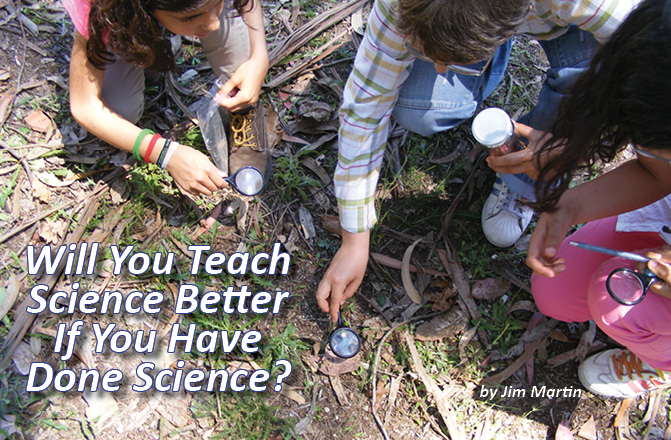
Will You Teach Science Better If You Have Done Science?
By Jim Martin CLEARING Associate Editor hat if science teachers did science before they began teaching? Might a teaching model like this be possible to employ? Instructive to explore? There have been initiatives which followed up on this possibility. Their...

Strategies for Community-based Education: Developing Healthy Partnerships
Strategies for Community-based Education: Developing Healthy Partnerships by Pat Willis Oregon State University 4-H Extension ommunity-based education is an approach to teaching and learning that connects learners to community and place. Educators who adopt this...

Leaving Space for Awe
We need to provide opportunities for students to establish connections with the natural world, to be in awe of its power and beauty. t was February 2012 in northwestern Ontario. I was in teachers college and my outdoor, environmental education cohort was on a...
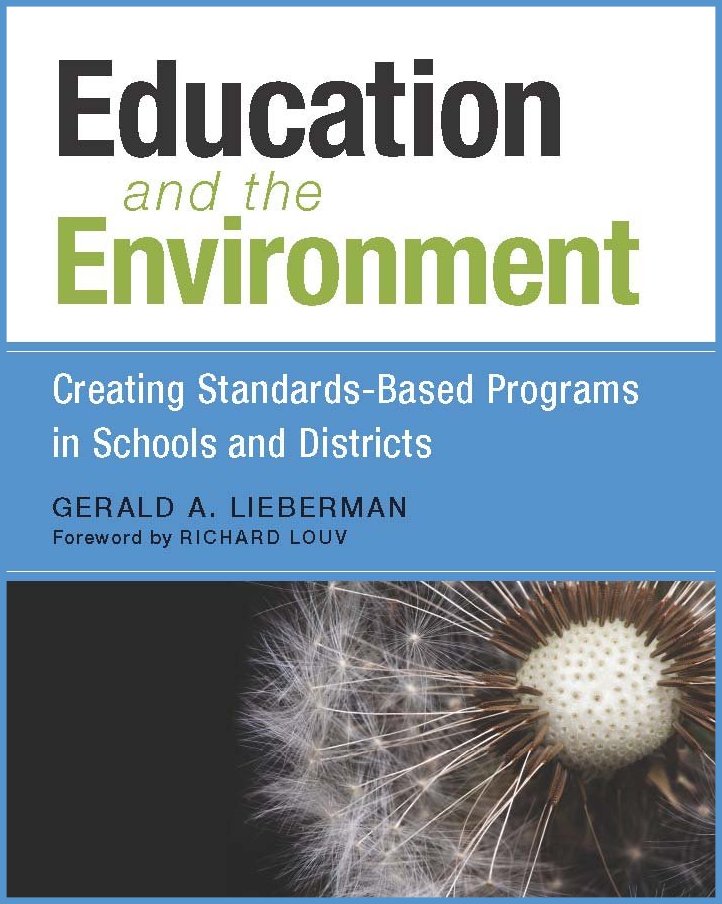
5 Outstanding EE Resources You Should Know About
1. Across the Spectrum: Resources for Environmental Educators This downloadable collection of resources, perspectives, and examples will help nonformal environmental educators learn more about the field of EE, access resources, and gain skills to improve their...

Embedded Curricula: Environments hold a treasure of effective curricula we can learn to teach
by Jim Martin CLEARING Associate Editor mbedded curricula. The curriculum that you can find just about anywhere you go: Fractions, transportation, velocity, acceleration, centrifugal force, metaphor, alliteration, poetry, drama, communities, transportation, and on....

Teaching Climate Change (and other resources you should know about)
1. Climate Change: Connections and Solutions Facing the Future offers this free two-week curriculum unit for middle school and high school which encourage students to think critically about climate change and collaborate to devise solutions. Students learn about...

Honeybee Heroes: Carter Latendresse at Catlin Gabel School
Honeybee Heroes: Carter Latendresse at Catlin Gabel School by Katie Boehnlein arter Latendresse is the sixth grade English teacher at Catlin Gabel School in Portland, OR. In addition to his classroom courses, which focus on fostering social responsibility in his...

Honeybee Heroes: Sarah Red-Laird at Bee Girl
by Katie Boehnlein arah Red-Laird, or “Bee Girl” is an Ashland, OR native who says that she has been fascinated with honeybees since her early childhood. On the playground in elementary school, she would pick up bees and pet them to impress other kids. Her aunt’s...
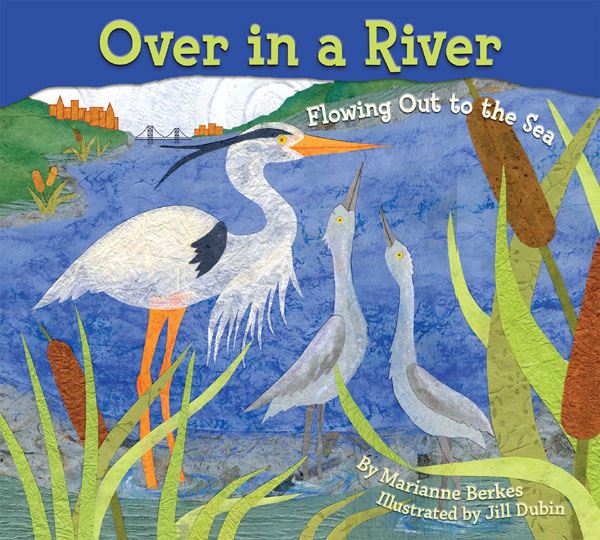
BOOK REVIEW: Three new nature titles from Dawn Publications
by Michael D. Barton CLEARING Associate Editor Dawn Publications (Facebook/Twitter/blog) has three new children’s nature books out for ages 3-8, and I am delighted to not only have copies for my children, but to share with you how awesome they are. This publisher does...

Honeybee Heroes: Ryan King at Southern Oregon University
An Alternative to Traditional Education Honeybee Heroes: Ryan King at Southern Oregon University by Katie Boehnlein outhern Oregon University in Ashland, OR is a “sweet” place to be. Ryan King, a recent graduate of Southern Oregon’s Master’s of Science in...

Fueling the Fire: North Cascade Institute’s Path for Youth
Fueling the Fire: North Cascade Institute's Path for Youth by Mollie Behn t is no secret that today’s youth are increasingly disconnected from nature. As a result, youth are less aware of issues and threats facing the environment and how to address them. We need to...

When you empower students, you teach more than content
by Jim Martin CLEARING Associate Editor e left the teacher we have been following as she was planning a project she and her class will do on a creek at the edge of the school property. What she is doing, as well as her plans, appear to approach what the National Board...

Honeybee Heroes: Eric Engman at Mt. Vernon High School
by Katie Boehlein ric Engman is a physics teacher at Mt. Vernon High School, where he has also taken on the role of “campus beekeeper.” The process of starting a school beehive began some years ago, when Eric began installing a rotational series of mostly...

Beehives Take Flight: “Honeybee Heroes” and apiary-based education in the Pacific Northwest
by Katie Boehnlein . n recent years, there has been an audible buzz, on both the community level and in the media, about the future of pollinators. In 2009, CLEARING asked you “Why Care About Pollinators?” and the issue is still hot today. The future of the honeybee...

Ear to the ground: Sue Staniforth, North Saanich, British Columbia
What is your current job title? I am self-employed as an environmental education and research consultant – my company is Staniforth & Associates, so I guess I am the principal! How did you get into this field? I worked as a field biologist for years, researching...
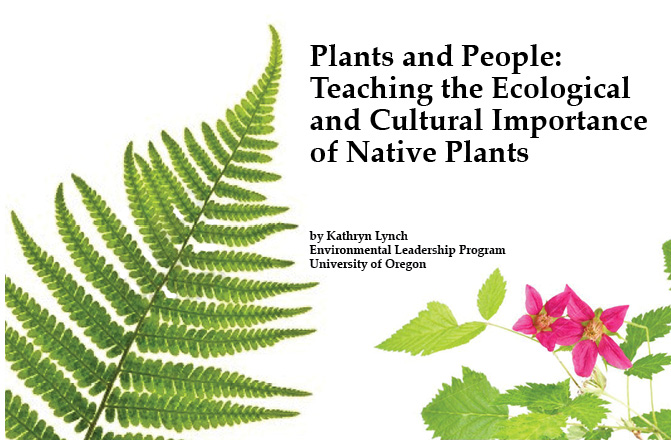
Plants and People
Plants and People Three service learning teams from the University of Oregon Environmental Leadership Program tackle teaching children about the ecological and cultural importance of native plants. . . by Kathryn Lynch Environmental Leadership Program University of...
Ear to the Ground – Ralph Harrison, Science and Math Institute
Ralph Harrison is the 2013 winner of the EPA's Presidential Award for Innovation in Environmental Education. We caught up to him as he was heading for Alaska and managed to get some insight into his personal perspectives and motivations as a teacher of environmental...

Meet the BEETLES: Bringing Wonder, Curiosity & Science to Residential Outdoor Schools
by Kevin Beals & Craig Strang magine a residential outdoor science program where instructors—all of them—routinely combine their passion for the natural world with a deep understanding of research-based teaching approaches that are based on all we know about how...
How Embedding Your Curriculum in the Environment Meets Certification Criteria
by Jim Martin CLEARING Associate Editor teacher has made a commitment to design and execute a unit which explores the curriculum embedded in a small creek at the edge of her schoolyard. She didn’t just decide, then go; instead, she visited the creek, became familiar...
EE Research: Give students a say in what and how they learn
Dr. Peter McInerney et al. review the literature related to the theoretical foundations of place-based education (PBE). They propose that the main task of PBE in schools is “creating opportunities for young people to learn about and care for the ecological and social...

Laaqudax, the Northern Fur Seal: an Integrated Approach to Education on the Pribilof Islands
by Lisa Hiruki-Raring AFSC Education Coordinator Alaska Fisheries Science Center National Marine Fisheries Service, NOAA n a small group of islands in the middle of Alaska’s Bering Sea, half of the world’s population of northern fur seals gathers each summer to breed...
Ear to the Ground – Sara Focht, Idaho Non-formal Environmental Educator of the Year
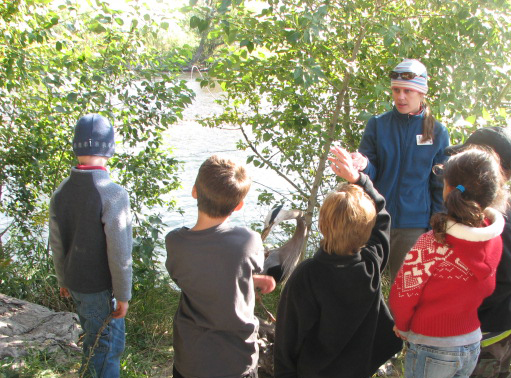
What is your current job title? I am a Conservation Educator at MK Nature Center for Idaho Department of Fish and Game. That means I teach classes at the Nature Center for about 10,000 students annually. Most of our crowd is prek-3rd graders. I do that ¾ time. My...

Share your favorite EE activity with us!
If you're a teacher, CLEARING would love to hear from you! We are compiling anecdotal examples of fun, engaging and successful environmental education activities from teachers around the Pacific Northwest. We are especially interested in teachable moments that sprang...
8 Ideas, Resources, or Programs You Should Know About
1. National Geographic Education: Collections The National Geographic Education website has a number of collections dedicated to different areas within the natural sciences. Topics include ocean education, ecosystems, natural disasters, endangered species, and much...
Details, Details, Details…
Details, details, details... The degree to which you can elaborate detail determines the level of confidence you’ll have in teaching curricula which begins in the real world by Jim Martin CLEARING Associate Editor ust as the degree with which they elaborate the...

Stepping into the Real World – What happens when you open the door
Stepping into the Real World - What happens when you open the door by Jim Martin, CLEARING Associate Editor Let’s explore what science and environmental education could look like if we were to use the real world as if it were an...
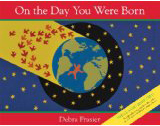
Book Review: On the Day You Were Born
On the Day You Were Born Author: Debra Frasier ISBN-13: 9780152579951 Reviewed by Seth Webb any of the stories that we tell our students and the cultural lessons that we share are our part of our collective oral tradition – they belong to all of us. They are of the...

Book Review: The Kids Outdoor Adventure Book
The Kids’ Outdoor Adventure Book: 448 Great Things to Do in Nature Before You Grow Up by Stacy Tornio and Ken Keffer (Guilford, CT: Falcon Guides, 2013), 224 pp. Reviewed by Michael D. Barton n an ideal world, kids would spend more time playing outside, in their...

On Rain / A Poetic Confrontation
by Matt Love n a Thursday in late November 2010, a month that eventually produced the second wettest November since instruments have measured depressing records of this kind, I sat at my desk in my classroom and heard rain falling for the 31st day in a row. I...
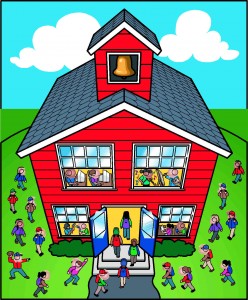
What is School?
Teaching how to involve and invest students in their education and empower them as persons isn’t a passive set of knowledge, skills, and understandings. Rather, it is an active, dynamic process, not as easy to teach, at least within the current education paradigm. by...
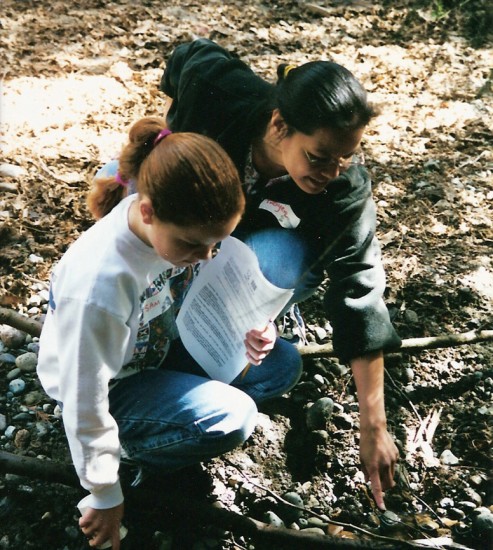
Earth Day and Beyond: K-12 Activities for Rivers and Streams
The following activities were submitted by K-12 teachers from around the Pacific Northwest who have participated in watershed education programs in their classrooms. The majority of these teachers were involved in the following coordinated watershed education...

UNEP Year Book 2013: Emerging Issues in our Global Environment
The 10th edition of the Year Book series from the United Nations Environment Programme focuses on rapid change in the Arctic which threaten ecosystems while providing new development opportunities, including easier access to oil and gas, minerals, and fisheries. ...
Browse by Theme or Topic
Gardening, Farming & Permaculture
Stay Up to Date with the Latest Ideas and Resources
Join Our Newsletter
Stay up to date on environmental education in the Pacific Northwest. We’ll deliver ideas you can use to your inbox once a month.