
Explore the archives

Garden of Wisdom
News release submission for CLEARING Magazine - February 2017 The Garden of Wisdom A peace-building program among environmental educators and conservationists in the Middle East inspires children to love and nurture the natural world. Please help us to publish our...

What Can I Do Monday Morning?
50+ Simple EE Activities Across the K-12 Curriculum GRADES K-2 SCIENCE Back to the Earth Display food items such as a boiled egg, apple, peanut butter, bread, jelly, strip of bacon, etc. Pictures can be used. Ask students to identify the food items you...

The Importance of Deep Experiences in Nature
The Importance of Deep Experiences in Nature By Joseph Cornell rofound moments with nature foster a true and vital understanding of our place in the world. I remember an experience I had as a five-year-old boy that awakened in me a life-long fascination for marshes,...

Eelgrass as Teacher – Integrating Tradition, Science, and Learning on the British Columbia Coast
Eelgrass as Teacher Integrating Tradition, Science, and Learning on the British Columbia Coast by Nikki Wright ith a respectful hush, students squat on the sand or sit on logs on the warm beach, listening intently to Trish speaking about the way her indigenous...

The Value of Creative Teaching – Art and Environmental Education
The Value of Creative Teaching Place-based environmental education through the lens of art and creative writing by Tess Malijenovsky lace-based environmental education is taking front seat inside and outside classrooms across the country in part to prepare...

NGSS and Active Learning
Maria’s Eye: How do we empower it to engage and understand her world? by Jim Martin CLEARING writer and contributor f I could imagine the best possible classroom in the world, it would be one in which each student is empowered to look out into the world, see something...

A Pedagogy for Ecology
A Pedagogy for Ecology by Ann Pelo s a teacher, I want to foster in children an ecological identity. I believe this identity, born in a particular place, opens children to a broader connection with the Earth; love for a specific place makes possible love for other...

The Confluence Project (Idaho)
from the Fall 2016 Issue of CLEARING Integrating Watershed Science in High School Classrooms: The Confluence Project Approach by Audrey Squires, Jyoti Jennewein, and Mary Engels, with Dr. Brant Miller and Dr. Karla Eitel, University of Idaho It’s not just because I...

Understanding Ecosystems
Understanding Ecosystems is a Real Need: Will we help today's kids learn what they ought to know about ecosystems? by Jim Martin CLEARING Writer and Contributor ids in school today, and their children, need to understand ecosystems, and their own place within them....

Classroom without walls
“Mr. D., that was the best science class I’ve ever had!” The trials and successes of a classroom without walls By Greg Derbyshire he above feedback, made by a grade 8 student, is one of many similar comments made to me by students and parents who recognize and...

Ear to the Ground – Rus Higley
An Interview with Rus Higley 2016 Marine Education Classroom Educator of the Year Rus Higley has worked as Manager at the Marine Science and Technology Center at Highline College since its opening in 2003. He was born in Alaska, but grew up in Des Moines and graduated...
EE Questions and Actions
Critical Questions 1. What kinds of support are available in your school, district and community for supporting environmental educational activities? 2. In what ways can environmental education activities enhance learning? 3. What are the most effective strategies for...
Ethics and Science
Chymograph by Jim Martin· kymograph (‘wave writer’): a device that produces traces on a piece of smoked paper clamped onto a rotating drum, a mechanically amplified graphical representation of spatial position over time, such as the rise and fall of a worm’s blood...

10 Tips for Teachers
These tips, developed by The Straub Environmental Learning Center, may be helpful for teachers who are beginning to integrate a service learning component into the classroom: 1.Start small, and find other teachers who are interested in doing a community project....

Restoration and Renewal
Environmental Learning Center: Restoration project heals environment, community and college Written by Shelly Parini, CCC senior executive project manager he Environmental Learning Center at Clackamas Community College (CCC) represents something different to...
NGSS and Environmental Education
Use the Real World to Integrate Your Curriculum In today’s test-driven schools, there’s little room for including the world outside the classroom in the curriculum, even though school is supposed to be based on the real world. And prepare us for it. by Jim Martin...

Urban Schools and Environmental Education
Urban Schools and Environment Education by Alison Swain IslandWood Graduate Student/ Field Instructor his past fall, an IslandWood instructor gave me the advice that a teacher can only take her students from the place they are coming from. Through weeks of teaching...

Wolverines, Wonder and Wilderness
Wolverines, Wonder and Wilderness Why the Wolverine Matters to a Kid Who Has Never Seen a Raccoon by Megan McGinty IT IS APRIL AND I AM SITTING UNCOMFORTABLY on the cobbles of a gravel bar on the Skagit River in the North Cascades National Park with a group of local...

Permaculture Garden
Care for Self, Care for Others, Care for the Land: How Springwater Environmental Sciences School Uses Their Permaculture Garden as a Microcosm for the Environment. Kaci Rae Christopher t first, starting a school garden that combined permaculture and science seemed...

Jim Martin on NGSS
Active Learning: Is this something our pre-service education equips us for? ’m interested in the Resource section on the New Generation Science Standards (NGSS) web site (http://www.nextgenscience.org/resources). At the very end of the materials, there is a link to...

Transformative Power
The Transformative Power of Wilderness Education A graduate student finds an understanding of the effect of wilderness on the development of young people’s sense of self-worth by Rory Crowley n July 7th, 2001 I lie huddled in my sleeping bag, shivering as I survey the...
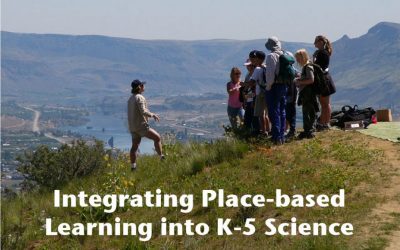
Integrating Place-based Learning
Wenatchee School District’s Case Study of Science Field Experiences by Susan Ballinger and Karen Rutherford his year (2005) in the shrub-steppe eco-region of rural Eastern Washington, over 3600 elementary students, teachers, and adult volunteers will spend a...

Human/Natural Systems Interactions
Human/Natural Systems Interactions: A Framework A critical thinking tool for developing ecological literacy throughout the curriculum compares cultures and their relationship to the natural world. by Barbara Jackson n this era of relentless consumption of...

4-H Urban-Rural Exchange
By being on the land and walking in the shoes of their host families, students begin to understand more deeply how and why Oregonians manage the land the way they do. By Maureen Hosty With contributions from Gary Delaney, Deb Schreiber, John Williams, Jed Smith and...
Digging Deeper
by David A. Greenwood, Lakehead University, Canada As part of the 2009 North American Association of Environmental Education Research Symposium, this article addresses the cultural and theoretical frameworks that we bring to environmental education, the web of...

A While in the Wild: Educating for Environmental Empathy
A While in the Wild: Educating for Environmental Empathy Experiences in wild nature, the leadership of a significant adult, and the educational support of the classroom offer powerful tools in shaping students toward lifelong leadership in environmental...
Ear to the Ground – Ryan Monger, Sultan High School
An Interview with Ryan Monger Winner of 2015 EPA Presidential Award for Innovation in Environmental Education Ryan Monger, Sultan High School Sultan, Washington Ryan Monger, an environmental education teacher of students in grades 9 through 12 at Sultan High...

Wild Words: A guide to integrating creative writing into field-based education
Wild Words: A guide to integrating creative writing into field-based education by Becca Deysach “I’ve always wanted to write but never gave myself permission.” This sentiment is the one I have heard most frequently since I began teaching creative writing several years...
Place-based Learning: Community Mapping
Engaging Students With/in Place through Community Mapping By Susan Jagger University of Toronto This article was reprinted from Pathways - The Ontario Journal of Outdoor Education, Volume 26, Issue 3 ommunity mapping brings together local people as they celebrate...
Teaching Science
Why kids need ecology now! Teachers, as well as science majors and graduate students, need to understand the process of science. And they need to be able to argue it, discuss it, suggest novel perspectives, give and respond to criticism. Does our inservice education...
Ear to the Ground – Monica Nissen
An Interview with Monica Nissen 2015 Environmental Educator of the Year The Canadian Network for Environmental Education and Communication (EECOM) has named Monica Nissen as the 'Outstanding Environmental Education Non-profit Individual' for 2015. In addition, the...
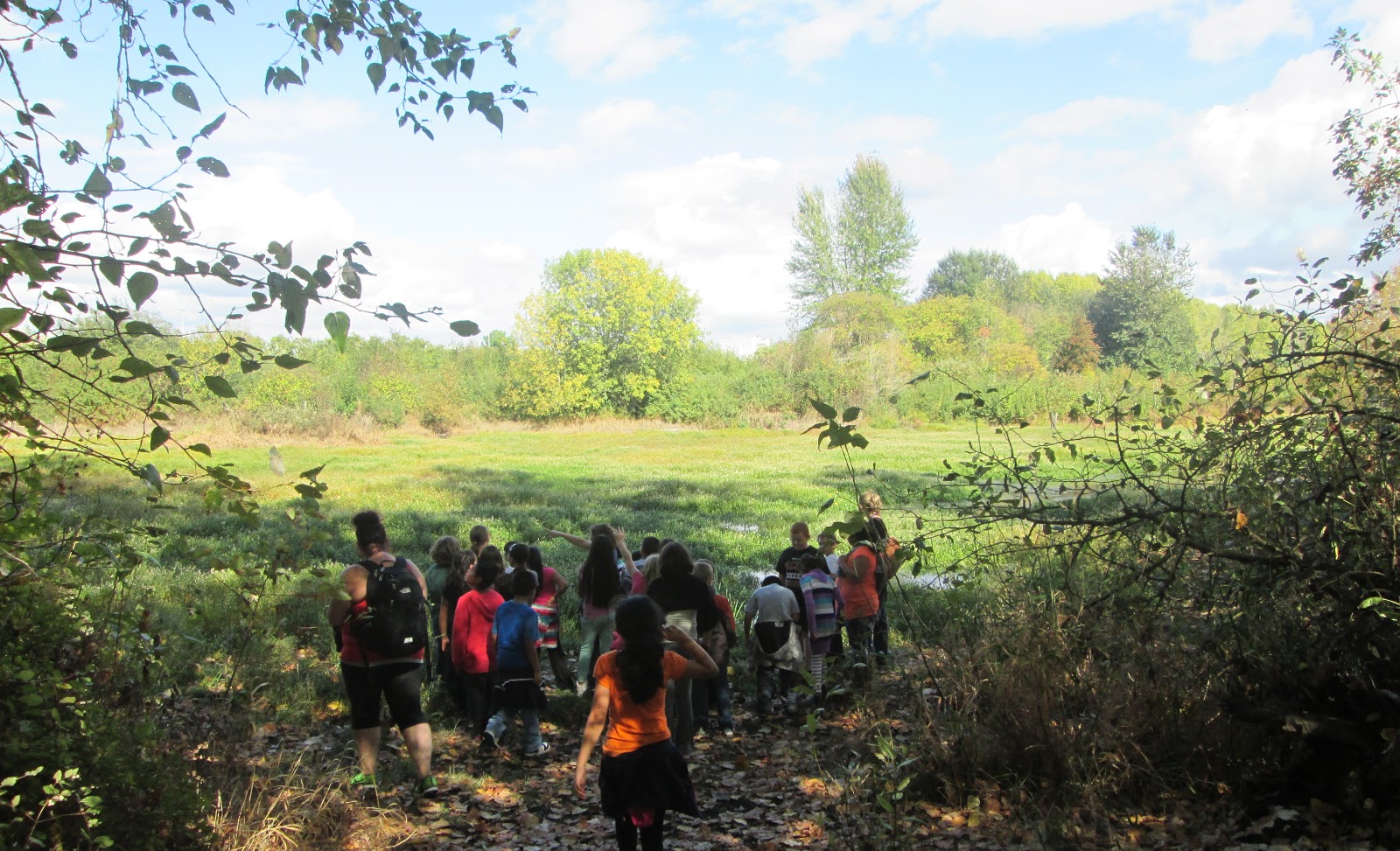
STEM – Joseph Gale Elementary
The Utility of Partnerships - Joseph Gale Elementary Because clean water is part of daily life and it’s readily available, we often take it for granted. It’s easy to see why local utilities, wastewater included, don’t always come to mind as educational partners. In...

Citizenship Education
Seeking Environmental Maturity at Starker Forests Helping students climb the ladder to responsible citizenship by Richard Powell tarker Forests is a family-owned tree farming business of about 80,000 acres, mostly within an hour’s drive in the Coast Range west of...
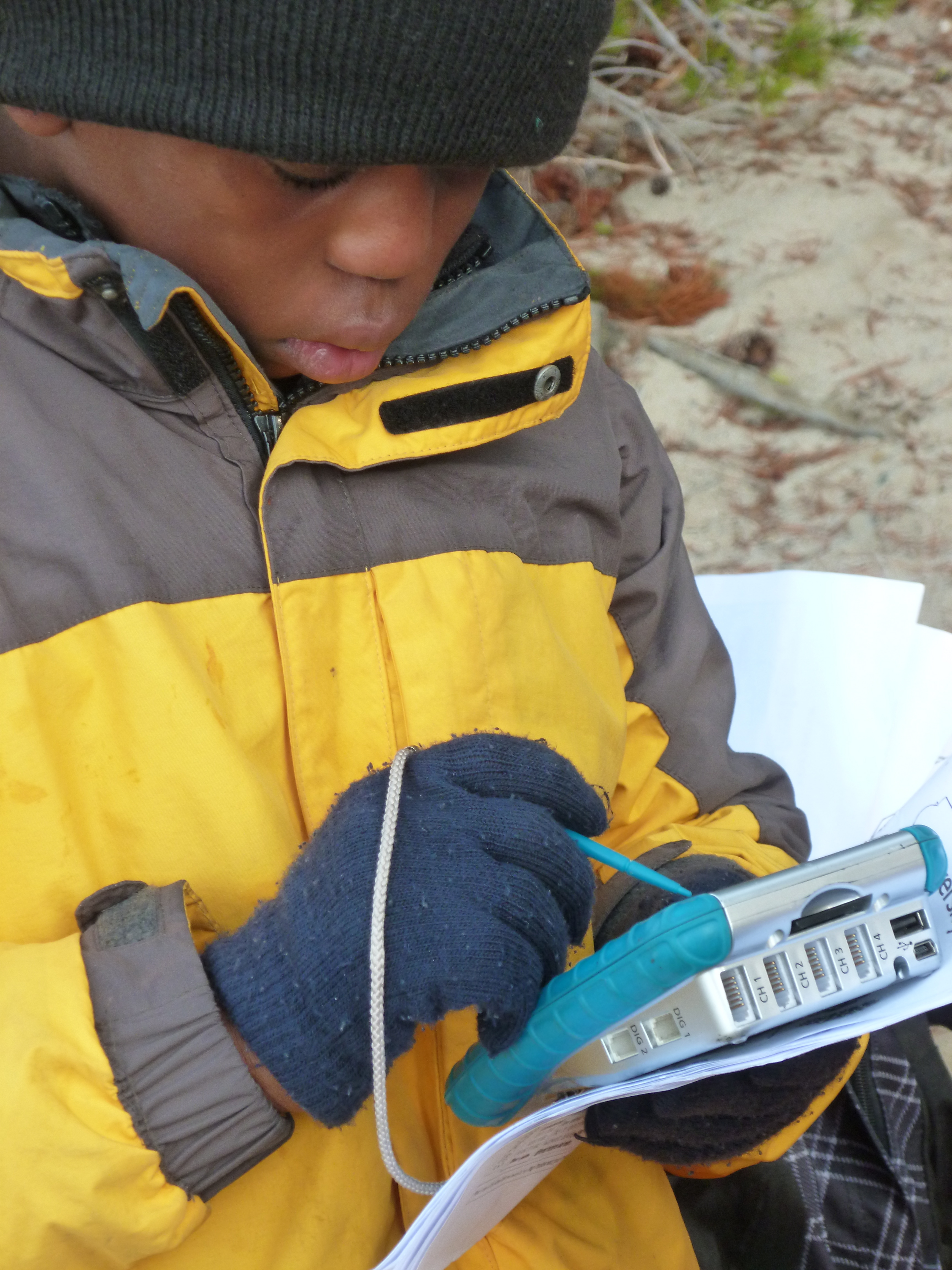
Combining the Strengths of Adventure Learning and Place Based Education
Combining the Strengths of Adventure Learning and Place-based Education How re-conceptualizing the role of technology in place-based education enhances place responsive pedagogies through technology. by R. Justin Hougham, Karla C. Bradley Eitel and Brant G. Miller...

Jim Martin: Arts and Humanities in the Sciences?
Arts and Humanities in the Sciences? Is that incongruous, or what? By Jim Martin Have you ever ‘felt’ the weather as cloud formations began to change? I love to watch Mares’ Tails form; multiple long extensions of a cumulus cloud that race out ahead, then turn up and...

Environmental Leadership: Making Connections
Environmental Leadership: Making Connections Two service-learning programs within the Environmental Leadership Program at the University of Oregon aim to deepen students’ knowledge of their bioregion through day-long, hands-on field trips. By Kathryn A. Lynch,...

Forest Schools and the Benefits of Unstructured Outdoor Play
Forest Schools and the Benefits of Unstructured Outdoor Play By Deanna Fahey Miami University, Oxford, Ohio t is snowing outside and you’re getting your child ready to go to kindergarten. While other children may be wishing for a snow day so they can play in the...
Teach a School to Garden…
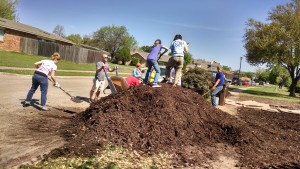
Teach a School to Garden… by Brandi Mendenall Central High School Springfield, Missouri s I watched the dump truck unload what would be the first of three loads of the highest quality compost our small school club could afford, I could not help but wonder if we really...
Environmental Education: The Science of Learning and Doing
Environmental Education: The Science of Learning and Doing by Cecelia Bosma Trinity Lutheran School Litchfield, Arizona e live on a planet with limited resources that are often consumed without caution. Finding ways to engage students in...

On Teaching Science
What's the Difference... ...between a single performer and an energetic band? Can students teach themselves? by Jim Martin CLEARING Master Teacher n an earlier set of blogs, we followed a middle school class whose science teacher had started them on a project to study...
Sowing the Seeds of Community and Place-based Learning
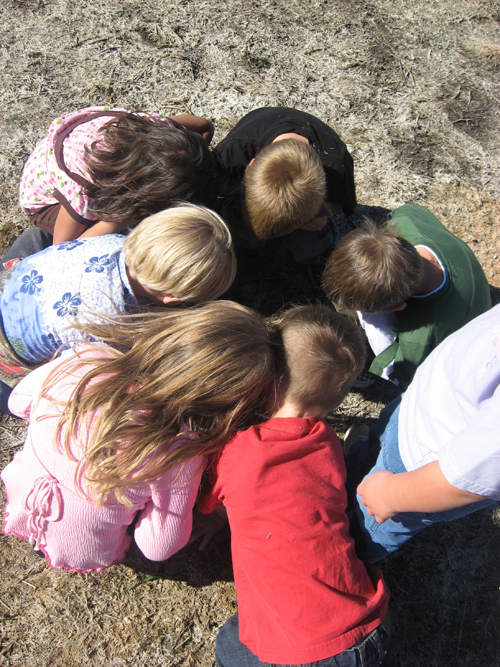
Sowing the Seeds of Place and Community-based Learning by Becs Boyd Place and Community Based approach can be transformative for students and teachers, schools and communities. Making this approach work means taking a fresh look at the school community, the wider...
Lessons for teaching in the environment and community – 3
Photo by Jim Martin “Lessons for Teaching in the Environment and Community” is a regular series that explores how teachers can gain the confidence to go into the world outside of their classrooms for a substantial piece of their curricula. Part 3: Emergent...
Lessons for teaching in the environment and community -2
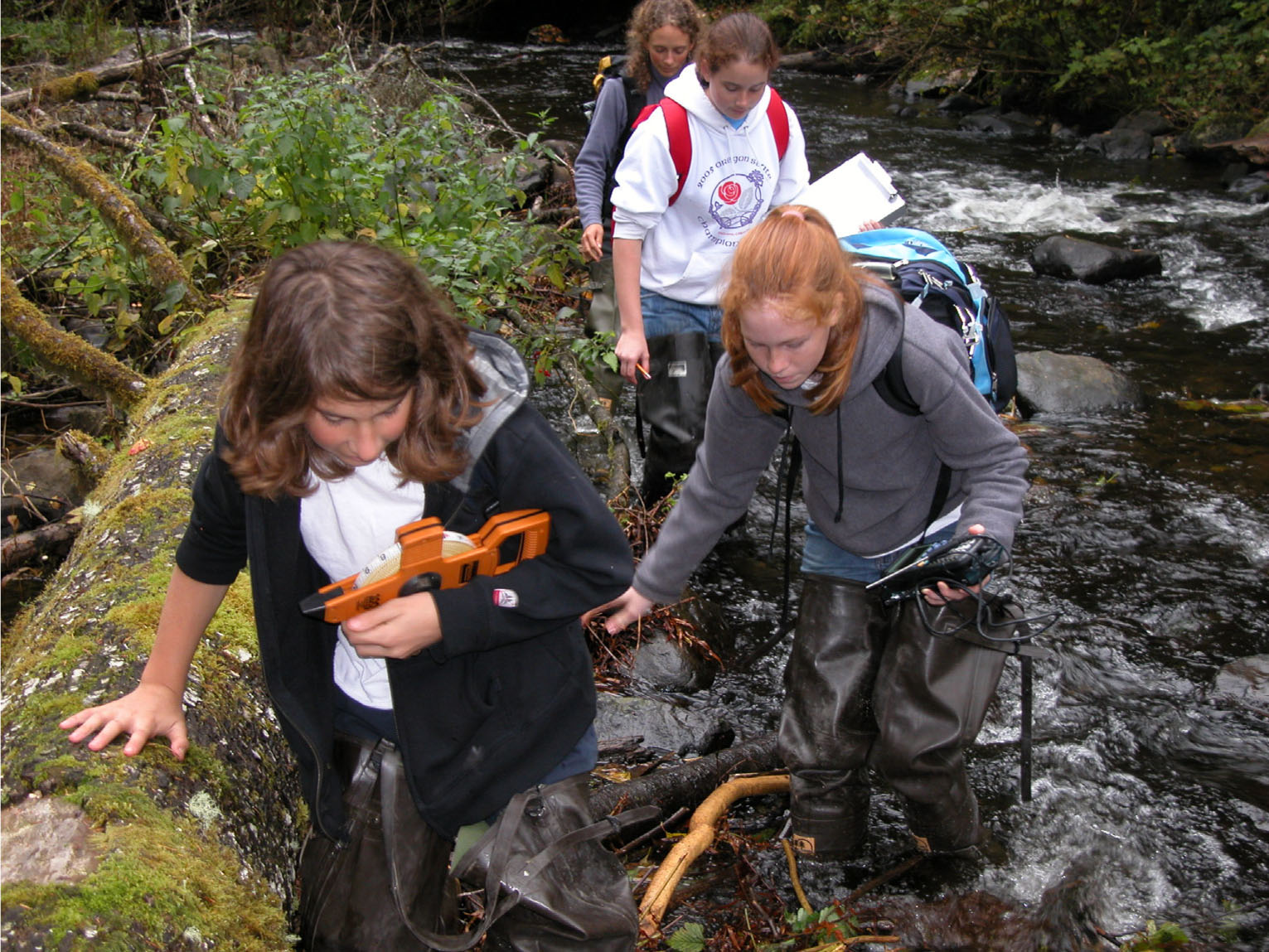
Photo courtesy of Jane Goodall Environmental Middle School “Lessons for Teaching in the Environment and Community” is a regular series that explores how teachers can gain the confidence to go into the world outside of their classrooms for a substantial piece of their...

Tips for bringing students into the field: Strategies for success
Tips for bringing students into the field: Strategies for success By Joshua Klaus Director of Academic Programs, Ecology Project International (EPI) aking students into the field can provide an endless array of occasions to learn new skills, see...

Schools Gone Green
Schools Gone Green Get inspired by these four Portland-area schools that are doing more than their part to save the planet. “What makes me most excited about Oregon Green Schools is hearing from the students about their progress. I appreciate that we are...
Teaching Science Inquiry
Can I become a science inquiry facilitator? . . . If I’ve never been one? by Jim Martin What do I need to be competent in, comfortable with, being a facilitator instead of a top-down teacher? I think a first thing is the recognition that people can learn on their own;...

Girls in Engineering and Marine Science
Girls in Engineering and Marine Science (GEMS) by Marie Kowalski Reprinted from Oregon Coast STEM Hub blog A team with their light trap On April 16th, twenty-seven young women arrived at Hatfield Marine Science Center, excited for two sunny days of science and...
Bringing Home the Data: The Jane Goodall Environmental Middle School
Bringing Home the Data: The Jane Goodall Environmental Middle School by Mike Weddle The Jane Goodall Environmental Middle School (JGEMS) is a public charter school located within Waldo Middle School in Salem, Oregon. The ten-year old school has an enrollment of 90...

Environmental Justice and Urban E.E.
How Environmental Education Can Address Issues of Environmental Justice in Urban Settings by Anjelique Hjarding, Alicia King and Belinda Chin HIGHLIGHTS • Environmental injustice occurs when the most vulnerable, poor, minority or underserved populations carry the...

EE and Language Arts: The Hunger Games and the Nature of Rebellion
The Hunger Games and the Nature of Rebellion By Natalie Gillis In my nature explorations, I’ve always been fascinated not just with identifying the species I encounter, but with digging deeper and learning their backstories. There are many stories behind the plants...
Browse by Theme or Topic
Gardening, Farming & Permaculture
Stay Up to Date with the Latest Ideas and Resources
Join Our Newsletter
Stay up to date on environmental education in the Pacific Northwest. We’ll deliver ideas you can use to your inbox once a month.