
Explore the archives
Seeking Environmental Maturity…
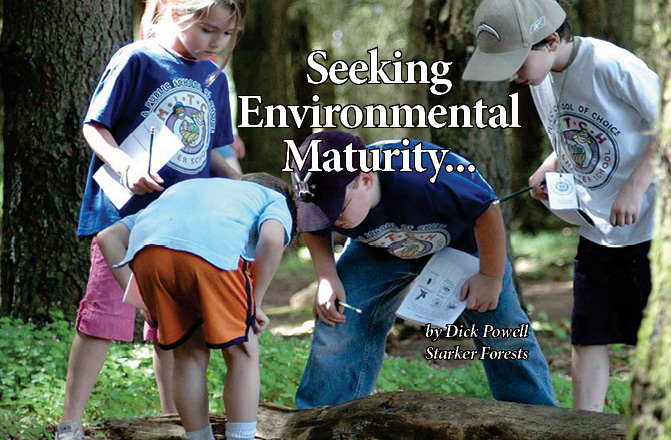
...at Starker Forests Helping students climb the ladder to responsible citizenship by Dick Powell This past summer I attended the World Forestry Center's International Educator's Institute (IEI). As an environmental educator without any formal pedagogical or...

Learning is more than a classroom exercise
By Lee Sherman In Brief Whether identifying fish or monitoring water quality, students combine education with service through OSU's Oregon Natural Resources Education Program. Through partnerships with local watershed councils and other agencies, students are making...

5 Ideas and Programs You Might Want to Know About
1. Slow: Children at Nature Play This attention-catching sign is designed to raise awareness about the importance of connecting children to nature. The goal is to promote getting children outside and exploring nature similar to the neighborhood signs that ask drivers...

Teach the student who lives within the body
Photo credit: Sarah Sullivan, Abernethy School, Portland by Jim Martin Clearing Associate Editor he last time we met, students had planted seeds in parts of a garden plot they chose. So, where do they go now? They’ve made their decisions about where to plant each of...
6 Useful Ideas, Projects and Programs You Should Know About
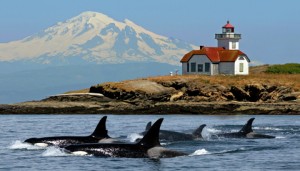
1. Ocean Science Summer Institute This institute, June 24-27, 2013 in Port Townsend, Washington, is a Training of Trainers for both formal and informal educators. Participants will receive hands-on experience with the Ocean Sciences Sequence including implementation...

Inquiry Learning: Asking Your Own Questions
When you make the finding yourself - even if you're the last person on Earth to see the light - you'll never forget it. -Carl Sagan by Jim Martin Science Educator and CLEARING guest writer oing out into the world beyond the classroom for science and other curricula...
7 EE Ideas, Grants, or Projects You Should Know About
1. Environmental Literacy Grants NOAA’s Office of Education has issued a request for applications for projects designed to build the capacity of educators to use NOAA data and data access tools to help K-12 students and/or the public understand and respond to global...
Learning Eco-Literacy (Lessons from an Orca Grandmother) Pt. 3
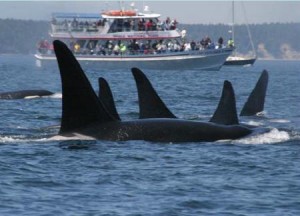
by Sally Hodson, Ed.D. author of Granny's Clan, published by Dawn Publications See Part 1 and Part 2 of this series. Part 3: Tell a Story How do we prepare young people for the 21st century challenge of caring for our planet so that it can sustain future generations...

The Power of Fun
By Carol Malnor courtesy of Dawn Publications . “Your class sure looked happy,” one of my colleagues remarked last week. And I agreed! They were very happy. When the sun reappeared after a cold spell, I took my Nature Connections students outside for an activity that...
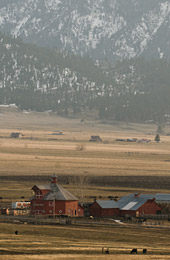
The Urban-Rural Exchange Bridges Oregon’s Greatest Divide
The Urban-Rural Exchange Bridges Oregon's Greatest Divide By Judy Scott From Oregon's Agricultural Progress Wallowa County in northeast Oregon was the destination for one of this year’s four exchanges. The young guests from the city arrived in the thick of calving...
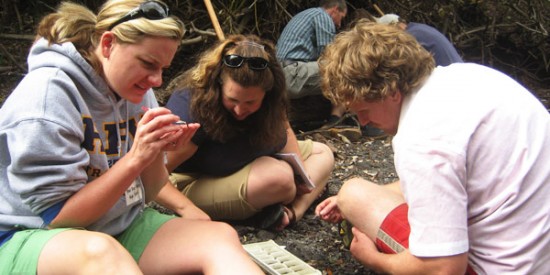
Teachers discover authentic lessons in crayfish and caddis flies
Teachers discover authentic lessons in crayfish and caddis flies What is that bug? Teachers Kathryn Davis from Hood River High School, Molly Charnes from the Academy of International Studies in Woodburn and Thomas McGregor from The Phoenix School in Roseburg work at...
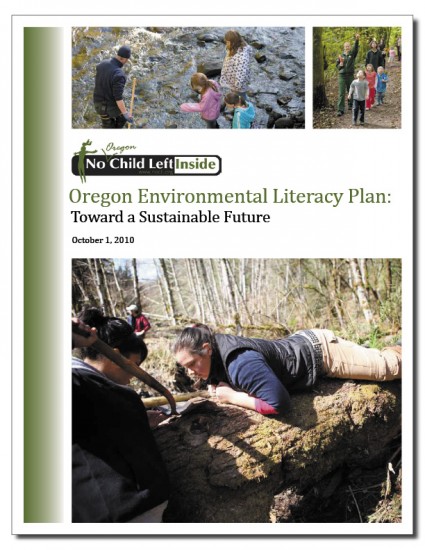
Oregon Environmental Literacy Plan: Building a Network
Oregon Environmental Literacy Plan: Building a Network by Traci Price In 2009, the Oregon Legislature passed the No Oregon Child Left Inside (NOCLI) Act that established an eleven-member task force charged with developing The Oregon Environmental Literacy Plan: Toward...

6 EE Grants and Classroom Resources You Should Know About
1. Presidential Innovation Award for Environmental Educators The Presidential Innovation Award for Environmental Educators Program, a partnership between the CEQ and the EPA, recognizes outstanding K-12 teachers who employ innovative approaches to environmental...
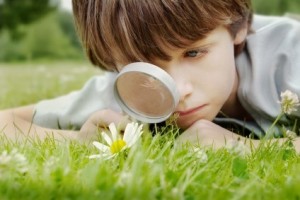
Do It Yourself First: Leading Student-Directed Inquiry
Do It Yourself First: Leading Student-Directed Inquiry by Jim Martin CLEARING guest writer f you’ve never taken your elementary, middle, or secondary students out of the classroom to learn, and can’t find a helpful mentor or workshop, it’s okay to learn to use the...
Tree Journals and ONE place
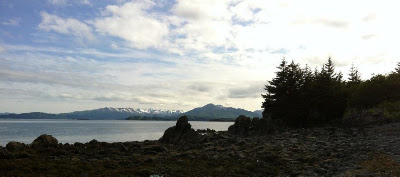
by Harmony Roll, Clearing Regional Advisory Panel from Taiga Teacher The turn around point on my regular running trail in Kodiak. hen I had my 3rd and 4th grade multi-age classroom in Fairbanks, I was in teacher paradise. I was in a Title 1 school, but was given a lot...

4 EE Grant Opportunities You Should Know About
1. Action for Nature Young Eco-Hero Awards Action for Nature seeks applications from students ages 8-16 for its International Young Eco-Hero Awards Program. The awards program recognizes the individual accomplishments of young people whose personal actions have...
Four States and a Region Added to EECapacity State Consortia Network
(from NAAEE) — New England, New Mexico, Kentucky, Oregon and Utah have joined California, Colorado and Maryland as part of the EECapacity State Consortia network. State Consortia receive funding to develop capacity and networking for EE and related practitioners...
5 Environmental Ed Resources You Should Know About
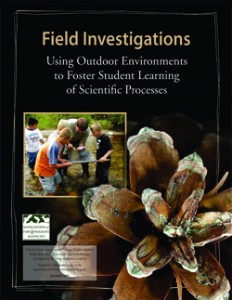
1. Pacific Education Institute Toolkit PEI recently created multiple guides as part of the Association of Fish and Wildlife Agencies’ Conservation Education Strategy Toolkit. These include the Project Based Learning Model, Field Investigations, Fostering Outdoor...
Video: How to Start a School Garden
From Edutopia comes a short video on starting your own school garden.. .To see additional videos, go to http://www.edutopia.org/blog/film-festival-school-gardens
Learning Eco-Literacy (Lessons from an Orca Grandmother) Pt. 2
by Sally Hodson, Ed.D. author of Granny's Clan, published by Dawn Publications See Part 1 of this series. . Part 2: Asking Questions ow do we prepare young people for the 21st century challenge of caring for our planet so that it can sustain future generations of...
The Return of Salmon Watch
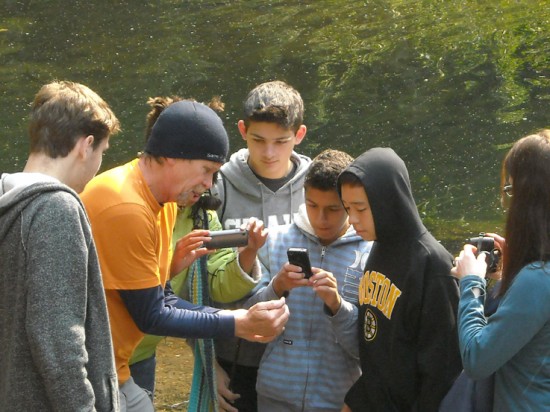
Salmon Watch is back by popular demand and coming soon to a stream near you! . by Lizanne Saunders . his Fall ten classes of middle and high school students in the Portland metropolitan area are participating in a revitalized Salmon Watch program sponsored this pilot...
Green Living Project Seeks Student Videos
Green Living Project (GLP) is accepting submissions for its fall 2012 Student Film Project contest. GLP is looking for student-created short films focused on sustainability or the environment. The deadline is November 28th, and winning films will be screened at the...

Sarah and Gage – Kid Cultivators
eet Sarah and Gage, educators at Vernon School in NE Portland. They realized that many local parents weren’t sending their kids to Vernon, so they decided to try something new to reconnect families to their neighborhood school. From the Oregon Museum of Science and...

Birthright: People and Nature in the Modern World
From the book jacket: uman health and well-being are inextricably linked to nature; our connection to the natural world is part of our biological inheritance. In this engaging book, a pioneer in the field of biophilia—the study of human beings’ inherent affinity for...

Learning Eco-Literacy (Lessons from an Orca Grandmother)
by Sally Hodson, Ed.D. author of Granny's Clan, published by Dawn Publications . Part 1: Thinking in Webs . lanet Earth is home whether you’re a plant, an animal or a human. Our Earth is the only place in the universe we know for sure that can support life. So how...
Grade 6-8 Activity: Stormwater Wonders
These lessons were developed by the Bainbridge island Woodward Middle School 6th grade team in cooperation with the Bainbridge Island Watershed Watch program. Stormwater Wonders Background Storm water or runoff is defined as rainfall that falls on impervious...
Grade 3-5 Activity: Animal Tracking
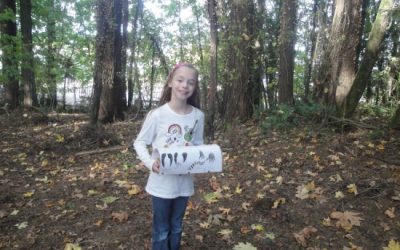
Grade Level: 3-5 Subject: Science Teacher: Nancy Fisher, Sauvie Island Academy Another powerful science lesson students do in my class is to ask ourselves, "Who might live in our habitat and how could we find out?" We brainstorm a list and then partners build an...
Grade 3-5 Activity: Worms
Grade Level: 3-5 Subject: Teacher: Laurelei Primeau, Coquitlam School, BC It was a damp, sunny day, and my grade three class was called to the front lawn of the school for a school-wide portrait. Classes from kindergarten to grade five trooped out and jostled for...
Grade 3-5 Activity: Nature Observation
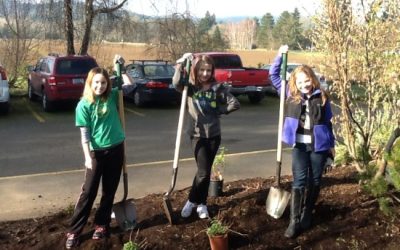
Grade Level: 3-5 Subject: Science Teacher: Nancy Fisher, Sauvie Island Academy Section off squares in an outdoor nature area. These can be a square foot or a few square feet, but not larger than that. Assign each student or pairs of students a section. Have them spend...

Discovering Place: A Place-based Education Video Series
urious about place-based education? Check out this free place-based education (PBE) video series, produced by University Outreach at the University of Michigan-Flint. The series was made possible through a $20,000 grant by the Saginaw Bay Watershed Initiative Network...
5 E.E. Resources / Ideas That You Should Know About
1. Green Living Project Sustainability Film Contest GLP is proud to announce its fall 2012 Student Film Project contest! Students are encouraged to document and submit their own stories of sustainability. The contest is open to 6th grade through college level...

My Passion
by Bobbie Snead Straub Environmental Learning Center he male osprey swoops down to join his mate on the enormous stick nest in Minto Brown Park. Sixty yards away, the third graders from a local elementary school gasp and clap in delight. I've taught them about...

EE Research: Give students a say in what and how they learn
Posted By Alex Kudryavtsev from http://eelinked.naaee.net/n/eeresearch Dr. Peter McInerney et al. review the literature related to the theoretical foundations of place-based education (PBE). They propose that the main task of PBE in schools is “creating opportunities...
Science Inquiry in the Real World
Science Inquiry in the Real World by Jim Martin Retired Science Educator CLEARING Special Contributor f you’ve never done a self-directed inquiry, or don’t see a connection between inquiry in the real world, and the science you teach in the classroom, here are three...
Teaching in the Outdoor: A Primer
by Jay Roberts Originally published in the Association of Outdoor Recreation and Education (AORE) newsletter. Introduction Teaching in the Outdoors Teaching in general can be a scary thing. We are put in a position of authority and knowledge whether or not we feel...

Book Review: Companions in Wonder: Children and Adults Exploring Nature Together
Review by Michael Barton received this book to review earlier this year, and while wanting to post about it as soon as possible, I have restrained from mentioning it here until I was completely done reading it. Companions in Wonder: Children and Adults Exploring...
5 More EE Resources You Need to Know About
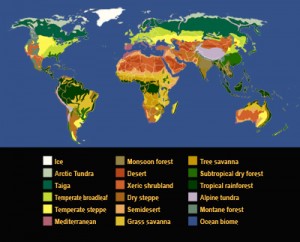
1. Biomes and Ecosystems The National Earth Science Teachers Association’s Windows to the Universe biomes and ecosystems, offers an interactive map to explore various biomes and learn about the natural history and current conditions in the dry steppes, alpine tundra,...
Lessons for teaching in the environment and community — 23
"Lessons for Teaching in the Environment and Community" is a regular series that explores how teachers can gain the confidence to go into the world outside of their classrooms for a substantial piece of their curricula. Part 23: Notice is a Powerful Verb: Noticing...

What is Community-Based Social Marketing?
by Katrina Landau o what exactly is social marketing, and how does it work to change peoples' behaviors? While traditional marketing works by raising public awareness, social marketing works to identify barriers to behaviors and create long-lasting change. Instead of...
Lessons for teaching in the environment and community — 22
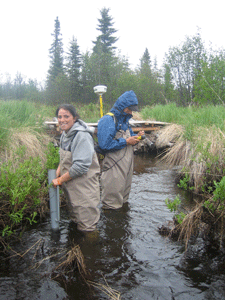
"Lessons for Teaching in the Environment and Community" is a regular series that explores how teachers can gain the confidence to go into the world outside of their classrooms for a substantial piece of their curricula. Part 22: Use It All Why settle for simple recall...

5 New EE Resources You Should Know About Today!
1. Schools That Change Communities Schools That Change Communities, a new one hour documentary from award winning producer Bob Gliner (Lessons From The Real World, Democracy Left Behind) focuses on a diverse range of K-12 public schools in five states – Massachusetts,...

I Am Clark’s Creek – Puyallup School District
I Am Clark's Creek - Puyallup School District ometimes it takes the imagination and inspiration of youth to push a project towards success. When the Puyallup River Watershed Council in Washington State became concerned about Clark’s Creek, it was the student project...

6 Environmental Education Resources You Should Know About
1. Estuaries 101 Middle School Curriculum The National Estuarine Research Reserves has released the Estuaries 101 Middle School Curriculum, a multi-media online science curriculum offering students virtual field trips to estuaries around the country. The curriculum...

Living Planet, Living Imaginations (.pdf)
Click on the image to read the article.
Lessons for teaching in the environment and community — 21
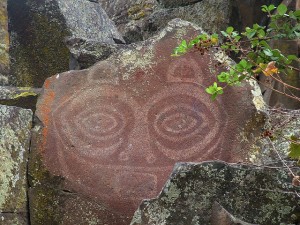
"Lessons for Teaching in the Environment and Community" is a regular series that explores how teachers can gain the confidence to go into the world outside of their classrooms for a substantial piece of their curricula. Part 21: Where Brains Learn Some cognitive...
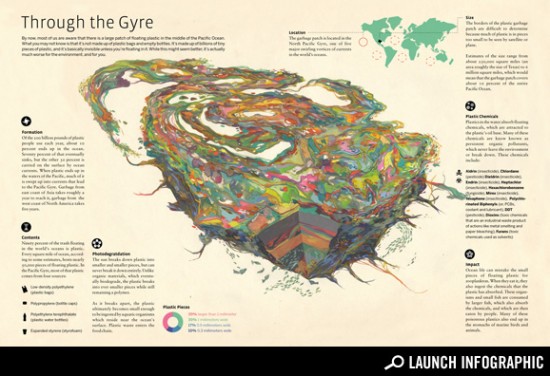
The Great Pacific Garbage Patch
By now, most of us are aware that there is a large patch of floating plastic in the middle of the Pacific Ocean. What you may not know is that it’s not made up of plastic bags and empty bottles. It’s made up of billions of tiny pieces of plastic, and it’s basically...
7 EE Resources You Should Know About
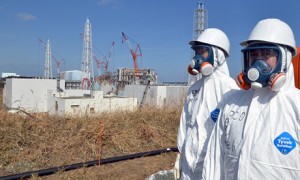
1. Fukushima Daiichi Accident EarthEcho’s Water Planet Challenge provides information and materials to help middle and high school students take action to protect and restore our planet's natural resources while teaching to key standards. The Hot Topics presents...
Inquiry: Letting Kids Wonder
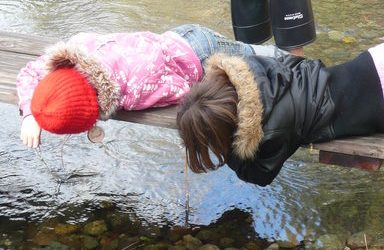
Inquiry: Letting Kids Wonder by Katie MacDiarmid (reprinted from the SEECing Natural Discovery website of the Siskiyou Environmental Education Center) cientific inquiry” is one of those things I thought I knew how to do. I had taught middle school science and I’d...

Lessons for teaching in the environment and community — 20
"Lessons for Teaching in the Environment and Community" is a regular series that explores how teachers can gain the confidence to go into the world outside of their classrooms for a substantial piece of their curricula. Part 20: Beginning at the Beginning . by Jim...

Lessons for teaching in the environment and community — 19
"Lessons for Teaching in the Environment and Community" is a regular series that explores how teachers can gain the confidence to go into the world outside of their classrooms for a substantial piece of their curricula. Part 19: Walking Backwards May Get You There...
Browse by Theme or Topic
Gardening, Farming & Permaculture
Stay Up to Date with the Latest Ideas and Resources
Join Our Newsletter
Stay up to date on environmental education in the Pacific Northwest. We’ll deliver ideas you can use to your inbox once a month.